When a plumbing disaster strikes, it often happens without warning burst pipes, overflowing toilets, or sudden leaks can flood your home and threaten costly damage in minutes. But knowing what to do in those first critical moments before help arrives can make all the difference. A solid emergency plumbing checklist empowers you to respond quickly, prevent needless damage, and give your emergency plumber an easier job when they arrive. This complete guide covers everything you need to know about immediate actions, safety precautions, damage control tips, and how to communicate clearly with your service provider. Whether you face a burst pipe in the middle of the night or a backed‑up drain on a weekend, this checklist will help you act logically, stay safe, and prevent further damage.
What Is an Emergency Plumbing Situation?
Not all plumbing issues are created equal. Before diving into what to do, it’s essential to understand which problems constitute a true emergency.
Common Emergency Scenarios
Plumbing emergencies are situations that cannot wait because they cause immediate water damage, health hazards, or risk to your home’s structure. Examples include:
- Burst pipes pouring water uncontrollably
- Severe leaks behind walls or ceilings
- Sewage backups into homes or floors
- **Gas‑line issues near plumbing appliances
- Loss of water pressure combined with odd smells
- Overflowing toilets that cannot be stopped
If you’re unsure whether a situation counts as an emergency, err on the side of caution and take action immediately. Waiting can turn a small problem into a costly disaster.
Before You Call: The Immediate Checklist
Calling for professional help is critical but what you do before the plumber arrives is equally important.
1. Stay Calm and Assess the Situation
• Panicking only slows you down and clouds judgment. The first and most important thing in any emergency is to stay calm.
• Quickly scan the affected area and identify what kind of problem you’re dealing with leaking pipe, overflowing fixture, sewer backup, etc.
• Determine whether the water is near electrical appliances or outlets. Water and electricity could be a dangerous combination.
2. Shut Off the Water Supply
The first priority in emergency plumbing is to stop the flow of water.
- Shut off the local valve: If the leak is contained to one fixture (bathroom sink, toilet), turn off the shut‑off valve near it.
- Shut off the main water supply: If water pours from a pipe or you can’t locate the fixture valve, turn off the main water shut‑off valve immediately. This valve is often located near the water meter, in the basement, garage, or utility room.
Quick Tip: Teach every member of your household where these valves are knowing this ahead of time can save thousands in damage.
3. Turn Off Electricity If Necessary
Water and electricity can kill. If water is near:
- power outlets
- electrical panels
- appliances
- switch boxes
Turn off the electricity to the affected area via the breaker box only if it is safe to do so. If water is pooled around sockets or breakers, stay clear and wait for professionals.
4. Contain and Remove Standing Water
Water spreads fast and can ruin flooring, walls, furniture, and contents. Once the water is shut off:
- Grab towels, mops, and buckets to soak up water
- Use a wet/dry vacuum if available
- Place buckets under active drips
- Lift furniture onto blocks or dry platforms
- Remove valuables to a safe, dry location
Fast removal of standing water slows damage and mold growth.
5. Drain Remaining Water
Even after shutting off the main line, water may still be trapped in your pipes.
- Open faucets throughout the house to drain residual water
- Flush toilets to release tank water
- Run outdoor spigots if possible
This helps relieve pressure in your plumbing system and minimizes additional leaks.
Need professional help with emergency plumbing? Check out our Emergency Plumber in Fort Lauderdale service page for fast, reliable assistance.
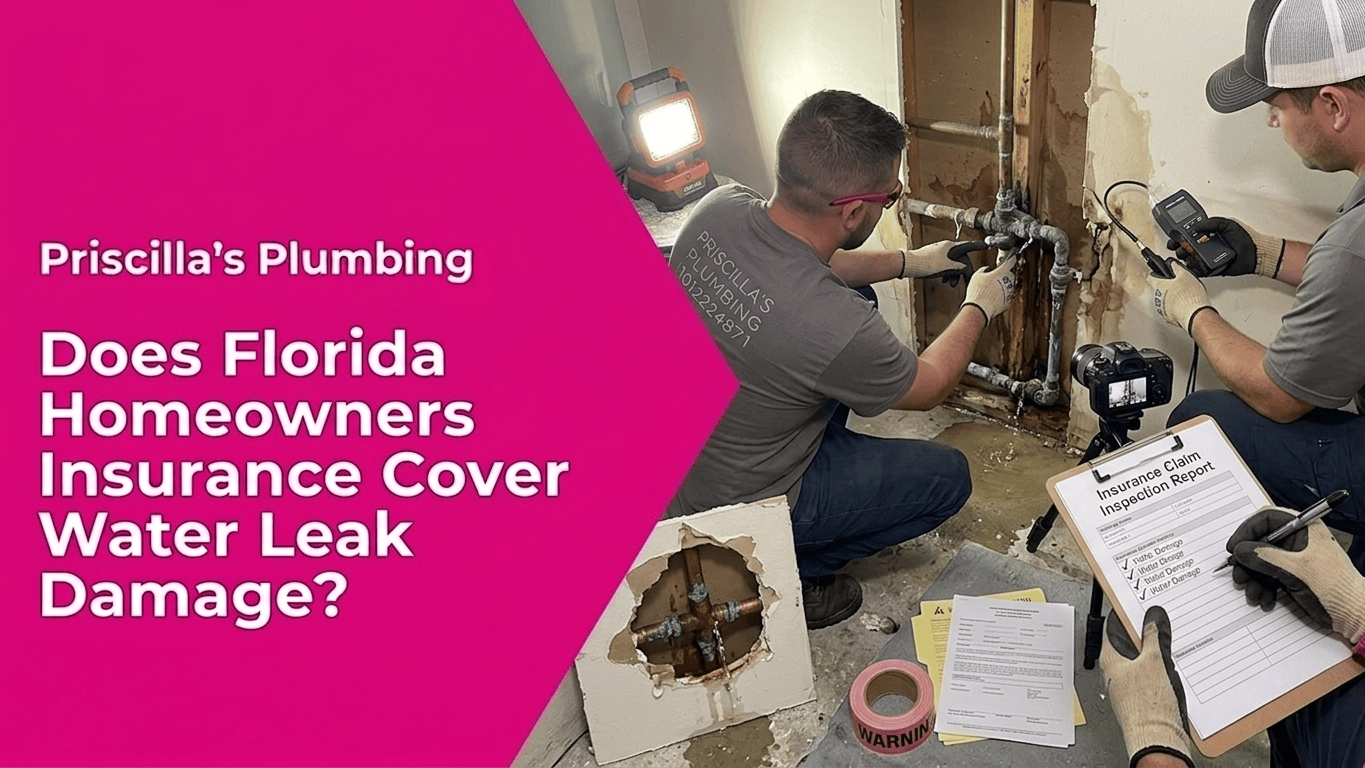
6. Document Damage for Insurance
If the incident is severe, take photos and videos before cleaning up. Capture:
- leaking areas
- damaged floors/walls
- affected furniture
- water levels in rooms
This documentation aids insurance claims and supports damage estimates later.
Safety First: Precautions to Follow
Emergency situations can be hazardous. Follow these safety steps while you wait for your 24 hour emergency plumber:
- Avoid using open flames or electrical tools in wet areas.
- Never step barefoot into water that could hide electrical hazards.
- Keep children and pets away from the affected space.
- If there’s a gas smell, evacuate immediately and call emergency services.
Safety is more important than quick fixes.
What Not to Do in a Plumbing Emergency?
Trying to fix a serious plumbing issue without proper tools or experience can worsen the problem.
| Do Not | Why |
| Use chemical drain cleaners | Can corrode pipes and make repairs harder |
| Dismantle pipes yourself | Hard to reassemble and likely voids repair warranties |
| Ignore small leaks | Small issues become major problems over time |
| Attempt high‑pressure fixes | Could cause burst or structural damage |
How to Communicate with Your Emergency Plumber?
Once you’ve taken the initial steps, call a 24 hour emergency plumbing professional right away. When calling, be ready to provide:
- Exact address and location of leak
- Type of issue (burst pipe, sewage backup, overflow)
- Steps taken (water shut‑off, power off, drainage)
- Any safety concerns (electricity exposure, gas smell)
Clear information helps them prepare proper tools and arrive faster. For reliable emergency plumbing assistance, our team is always ready to help.
Use This Emergency Plumbing Kit
Having these tools at home can improve your response in urgent situations:
| Tool | Purpose |
| Bucket or basin | Catch active leaks |
| Wet/Dry vacuum | Remove standing water |
| Towels or rags | Soak up water quickly |
| Adjustable wrench | For turning off valves if stuck |
| Plumber’s tape | Temporary sealing of small leaks |
Keeping this kit in an accessible location ensures you’re prepared when seconds count.
Temporary Fixes That Help
While these do not replace professional repair, they can slow down damage:
- Pipe clamps or rubber patches to temporarily seal small leaks
- Plumber’s tape around threaded pipes
- Buckets under dripping areas to collect water
Remember, these are short‑term solutions. The goal is damage control until your plumber arrives.
Preventing Future Plumbing Emergencies
Although you can’t prevent every issue, good maintenance reduces risk significantly:
- Schedule routine inspections with licensed plumbers
- Know where your shut‑off valves and electrical panel are
- Avoid flushing wipes, grease, or non‑flushables
- Insulate pipes in cold areas to prevent freezing
- Install water leak detectors in basements or high‑risk zones
Preventive care can cut down on emergency events and keep your home safer.
Conclusion:
Plumbing emergencies strike when least expected, and how you respond in the first minutes can mean the difference between minor inconvenience and major expense. Use this emergency plumbing checklist to stay safe, limit water damage, and prepare your home for professional repair.
When you’re facing a sudden leak, overflowing drain, or burst pipe, swift action buys valuable time. Need help from licensed professionals? Trust Priscilla’s Plumbing for reliable emergency plumbing services any time you need them. Visit us at Priscilla’s Plumbing for fast, dependable support.
Frequently Asked Questions (FAQs)
1. What qualifies as a real emergency plumbing situation?
A leak that threatens flooding, sewage backup, absence of water supply, or water near electrical sources is considered an emergency. Immediate action is crucial.
2. Can I wait until regular business hours for a plumber?
If water is actively leaking, flooding your home, or posing a safety hazard, do not wait to call a 24 hour emergency plumber right away.
3. How do I know where my main water shut‑off valve is?
It’s usually near the water meter, often in a basement, utility room, garage, or outside near the street. Locate it before an emergency.
4. Should I turn off electricity during a leak?
Yes, if water is near outlets or appliances. Don’t touch any electrical components if water is present, turn off power only from a dry area.
5. Will my homeowner’s insurance cover plumbing emergencies?
Many policies cover sudden and accidental water damage but not wear‑and‑tear issues. Always consult your policy and take photos for claims.