
Buying a home is exciting right up until something under the sink starts dripping and you realize you have no idea where the water shut-off is. A house comes with a plumbing system you did not install and do not yet understand, and in South Florida, that system faces conditions tough enough to turn small neglect into expensive repairs fast.
This guide walks you through what to check the week you move in, the routine maintenance that prevents most plumbing emergencies, and the local factors that make plumbing care here different from anywhere else. No freezing-pipe advice you will never use. Just what actually matters for a South Florida home.
Start Here: What to Do Your First Week
Before any routine schedule, learn your house. These first-week tasks matter most because in an emergency, knowing them is the difference between a quick save and a flooded floor.
Find your main water shut-off valve
This is the single most important thing to locate in your new home. If a pipe bursts or a fixture fails, shutting off the main stops the flooding in seconds.
In South Florida homes, it is usually:
- Near the water meter at the property line
- On an exterior wall, often where the main line enters the house
- Inside a garage or utility area
Find it, turn it both directions to confirm it works, and make sure everyone in the household knows where it is. A valve that has not been turned in years can seize, so if it will not budge, have it replaced before you need it.
Locate individual fixture shut-offs
Every toilet and most sinks have their own shut-off valve underneath. Knowing these lets you stop a single leak without killing water to the whole house. Test that they turn freely.
Find the water heater and check its age
Locate the water heater and read the label or serial number to estimate its age. Most tank heaters last 8 to 12 years, and South Florida’s hard water shortens that. Knowing the age tells you whether you are inheriting a unit near the end of its life.
Note your pipe material if you can
If any pipes are visible in the garage, attic, or under sinks, note what they are. Older homes may still have cast-iron drains or galvanized supply lines, which change what problems to expect.
Monthly Plumbing Checks
A few minutes each month catch the small problems before they grow.
- Check under every sink for drips, moisture, or a musty smell.
- Inspect faucets and showerheads for drips and reduced flow.
- Listen for pipe noises like hammering, banging, or whistling, which signal pressure problems.
- Watch your water bill. An unexplained jump is often the first sign of a hidden leak.
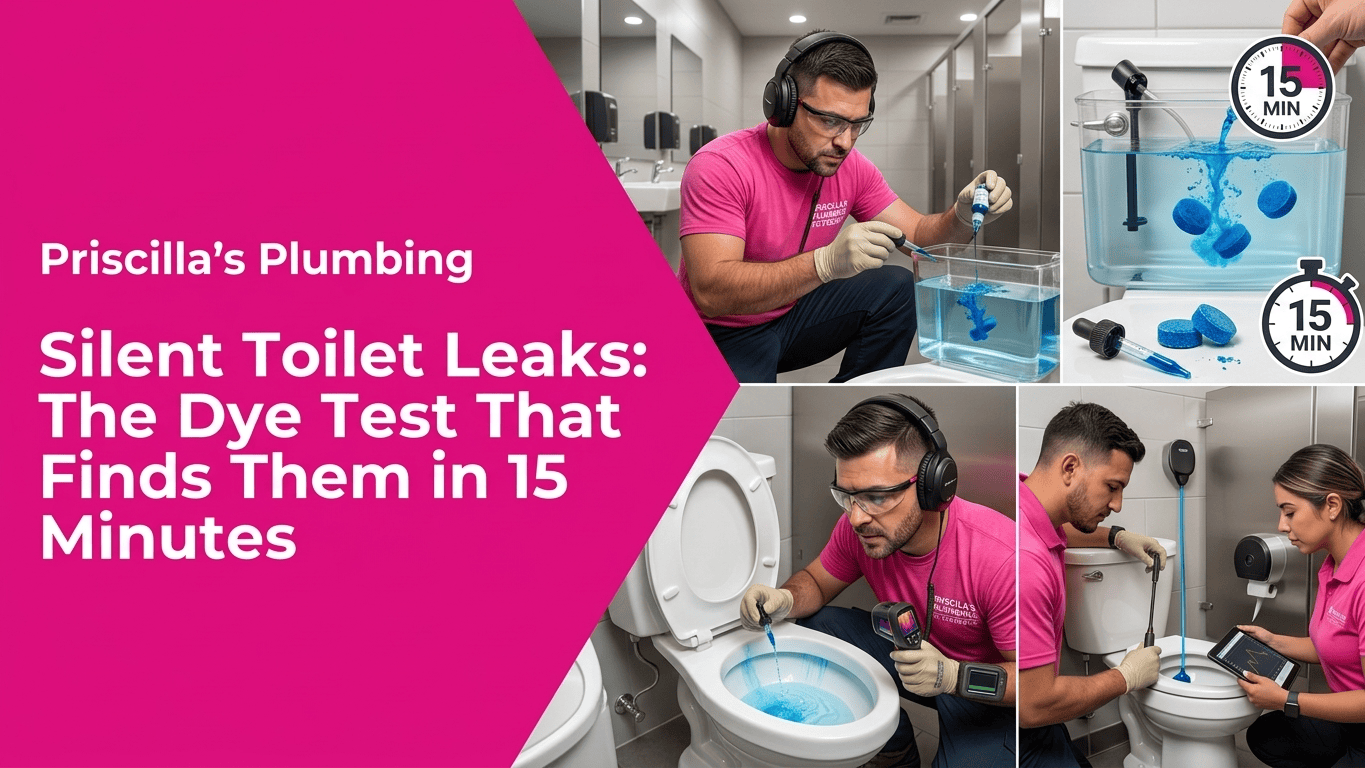
- Test toilets for silent leaks. Add a few drops of food coloring to the tank, wait fifteen minutes, and check if the color appears in the bowl without flushing. If it does, the flapper is leaking.
Quarterly and Seasonal Maintenance
Clean faucet aerators
South Florida’s hard water leaves mineral deposits that clog aerators and cut flow. Unscrew them every few months and rinse out the buildup.
Flush sediment from drains
Run hot water with a little dish soap down the kitchen and bathroom drains to keep grease and buildup from accumulating. Skip the chemical drain cleaners, which corrode pipes far more than they help.
Inspect outdoor and irrigation plumbing
Lawns here run irrigation year-round. Check for soggy spots, unusually green patches, or broken sprinkler heads that waste water and stress the system. Inspect hose bibs for drips.
Before hurricane season
The June-to-November rainy and storm season is the South Florida equivalent of winterizing. Before it starts:
- Confirm your shut-off valves work
- Clear drains and gutters so that heavy rain drains properly
- Check that your sump pump, if you have one, is working
- Know how to shut off water and power if flooding threatens
Annual Maintenance That Matters Most
Flush the water heater
This is the maintenance task most new homeowners skip and most regret. Hard water deposits sediment in the tank, which reduces efficiency, drives up energy bills, and shortens the heater’s life. Flushing it once a year clears that sediment. If you have never done it and the heater is older, have a plumber handle the first one.
Schedule a professional inspection
A licensed plumber can spot what a walkthrough misses: early corrosion, pressure problems, the beginnings of a slab leak, or a water heater on its last leg. For a home you just bought and do not fully know yet, one professional inspection in the first year is worth far more than its cost.
Check your water pressure
Too-high pressure quietly stresses every pipe and fixture in the house and is a leading contributor to leaks, including slab leaks. A plumber can measure it and install a pressure regulator if it runs high.
Fixture and Component Lifespans to Know
Part of owning a home is knowing what is living on borrowed time. Rough replacement intervals:
- Water heater (tank): 8 to 12 years, less with hard water
- Toilet flapper and fill valve: 4 to 5 years
- Faucet washers and cartridges: 5 to 10 years
- Supply lines (braided hoses to fixtures): 5 to 8 years, replace proactively since a burst one floods fast
- Garbage disposal: 8 to 12 years
The braided supply lines behind toilets and under sinks are a common, overlooked failure point. Replacing a worn one for a few dollars beats coming home to a flooded bathroom.
Why South Florida Plumbing Needs Extra Attention
Three local conditions make maintenance here non-optional.
Hard water. South Florida’s mineral-heavy water scales up water heaters, clogs aerators, and shortens fixture life faster than soft water would. It is the single biggest reason to flush your heater and clean aerators on schedule.
Humidity and condensation. Constant humidity means moisture lingers, so even a small leak quickly leads to mold and mildew. Catching leaks early matters more here than in dry climates.
Slab foundations and a high water table. Most homes sit on concrete slabs with pipes running underneath, and the high water table and shifting sandy soil make slab leaks one of the most common major plumbing problems in the area. Watching for the early signs, like a warm floor spot or an unexplained bill spike, protects you from a five-figure repair.
For homeowners around Oakland Park, Fort Lauderdale, and the surrounding Broward communities, staying ahead of these conditions is the difference between routine upkeep and emergency repair. Priscilla’s Plumbing handles inspections, water heater service, and repairs across South Florida and answers the phone 24/7.
FAQ
What is the first thing a new homeowner should check?
Locate and test your main water shut-off valve so you can stop flooding fast in an emergency.
How often should I flush my water heater in Florida?
Once a year, since hard water deposits sediment quickly and shortens the heater’s lifespan.
Do I need plumbing maintenance if my home is new?
Yes. Even new homes benefit from monthly leak checks and an annual professional inspection.
Why is my water pressure so high?
Municipal supply or a missing regulator can cause it; high pressure stresses pipes and should be corrected.
How do I know if I have a hidden leak?
Watch for an unexplained water bill spike, musty smells, damp spots, or the sound of running water.
Are chemical drain cleaners safe to use regularly?
No. They corrode pipes over time; use a snake or enzyme cleaner and call a plumber for recurring clogs.
When should I call a plumber instead of doing it myself?
For water heater flushing on older units, pressure issues, recurring clogs, or any sign of a slab leak.