
You turn on your tap expecting clean water. That should never feel like a gamble. In South Florida, though, pressure changes in the water system can quietly pull contaminated water back into your home. It happens more often than most homeowners realize. That is exactly where backflow prevention comes in. It blocks dirty water from reversing into your clean supply. In a region like South Florida, where irrigation systems and heavy rainfall are common, this protection becomes part of everyday home safety.
Without it, the water you trust can carry risks you cannot see. So, let’s explore how you can prevent backflow with and without professional help.
What is Backflow Prevention and How Does it Affect Your South Florida Home?
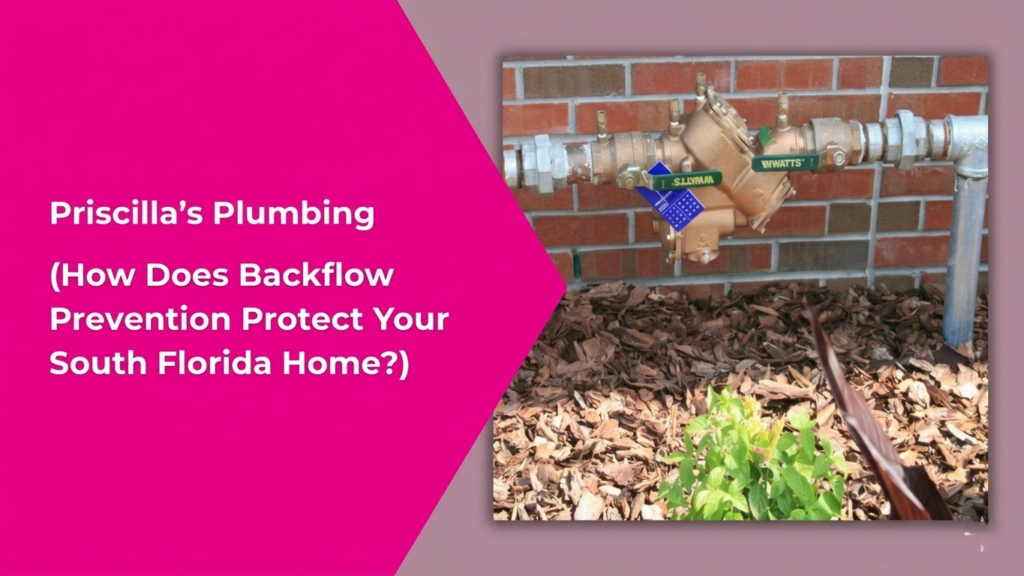
Backflow prevention is a plumbing safeguard that stops contaminated water from flowing backward into clean drinking water. It matters in South Florida because pressure drops are common, especially during storms or high demand, which can draw unsafe water into your home.
Think of it like a silent checkpoint inside your pipes. Water flows forward as expected, but the moment pressure shifts, the system closes off reverse flow. That quick reaction is what protects your home from contamination that can come from outdoor systems or nearby lines.
Where it proves its value:
- Keeps lawn chemicals out of drinking water.
- Blocks bacteria from irrigation systems.
- Responds instantly during pressure drops.
- Helps meet Florida water safety rules.
- Protects indoor water quality every day.
Why Do South Florida Homes Need Backflow Prevention Systems Installed Today?
Backflow prevention protects your home by stopping contamination, controlling pressure risks, and meeting local safety requirements. In South Florida, frequent irrigation use and sudden pressure shifts make the risk more real than most homeowners expect.
What makes this more relevant is how these risks show up in daily life. It is not always a major event. Sometimes it is something small that triggers a bigger issue.
When Pressure Drops, What Happens Inside Your Plumbing System?
A pressure drop does not announce itself. It can happen during a water main repair or even when firefighters use hydrants nearby. When that pressure falls, water may reverse direction. That reversal can pull contaminated water into your pipes. Backflow prevention devices react instantly and stop that movement.
You might notice risk in situations like:
- Construction work affecting nearby water lines.
- Sudden high water demand in your area.
- Storm-related system pressure changes.
How Irrigation Systems Create Hidden Contamination Risks?
Most South Florida homes rely on irrigation. That means water lines often connect to systems exposed to soil, chemicals, and standing water. Without proper backflow preventer installation, those elements can mix with your clean supply.
It is easy to overlook because everything looks normal on the surface. Yet over time, small issues build up. That is why regular backflow preventer inspection is not just a formality. It helps catch problems before they turn serious.
Common risk points include:
- Sprinklers linked to fertilizer systems.
- Hoses left submerged in buckets or pools.
- Cross connections between outdoor and indoor lines.
Why Local Regulations Require Testing and Maintenance?
South Florida enforces strict water safety rules, and for good reason. A failed device does not just affect one home. It can impact the wider water system. Certified backflow prevention specialists conduct testing to ensure everything works as it should.
If something is off, quick action matters. That may involve backflow preventer repair or full repair, depending on the condition of the system.
To stay compliant, homeowners should:
- Schedule yearly inspections.
- Fix worn or damaged components quickly.
- Replace outdated systems when needed.
How Often Should Backflow Prevention Systems Be Inspected in South Florida?
Backflow Prevention systems should be inspected once a year in South Florida. Annual testing confirms the device works correctly and meets local requirements, especially in homes with irrigation or outdoor water connections.
Skipping inspections may seem harmless at first. Then a small issue goes unnoticed. Valves wear down, debris collects, and seals weaken over time. A routine backflow preventer inspection helps catch these early.
A proper inspection usually includes:
- Pressure testing to confirm valve response.
- Checking for leaks or internal wear.
- Verifying compliance with local code.
Final Thoughts
Clean water is something most people never question until there is a problem. In South Florida, the mix of irrigation systems, weather shifts, and local regulations creates a situation where backflow prevention is not just helpful, it is necessary. A small device can prevent a serious issue from reaching your tap. Regular inspections, timely repair, and expert care keep your system reliable. If it has been a while since your last check, it might be worth looking into. Prevention here is always easier than dealing with contamination later.
If you are in South Florida and need help with backflow preventer installation, inspection, or repair, Priscilla’s Plumbing offers trusted local service. Our experienced specialists understand regional risks and compliance requirements. Schedule your service today and keep your water safe.
FAQs
What is Backflow Prevention in Simple Terms?
Backflow Prevention stops dirty water from flowing backward into clean water lines using a valve that allows water to move in one direction only.
Is Backflow Prevention Required in South Florida Homes?
Yes, many homes need it, especially those with irrigation systems. Local regulations often require installation to protect both private and public water supplies.
What are Signs that I Need Backflow Repair?
Leaks, reduced water pressure, or failed inspection results often indicate the need for backflow repair. A professional test confirms the issue.
How Often Should I Schedule a Backflow Preventer Inspection?
Most South Florida homes require yearly inspections. Regular checks keep your system compliant and ensure it works when pressure changes occur.
Who Should Handle Backflow Preventer Repair or Installation?
Certified backflow prevention specialists should handle installation and repairs to ensure safety, compliance, and proper system performance.