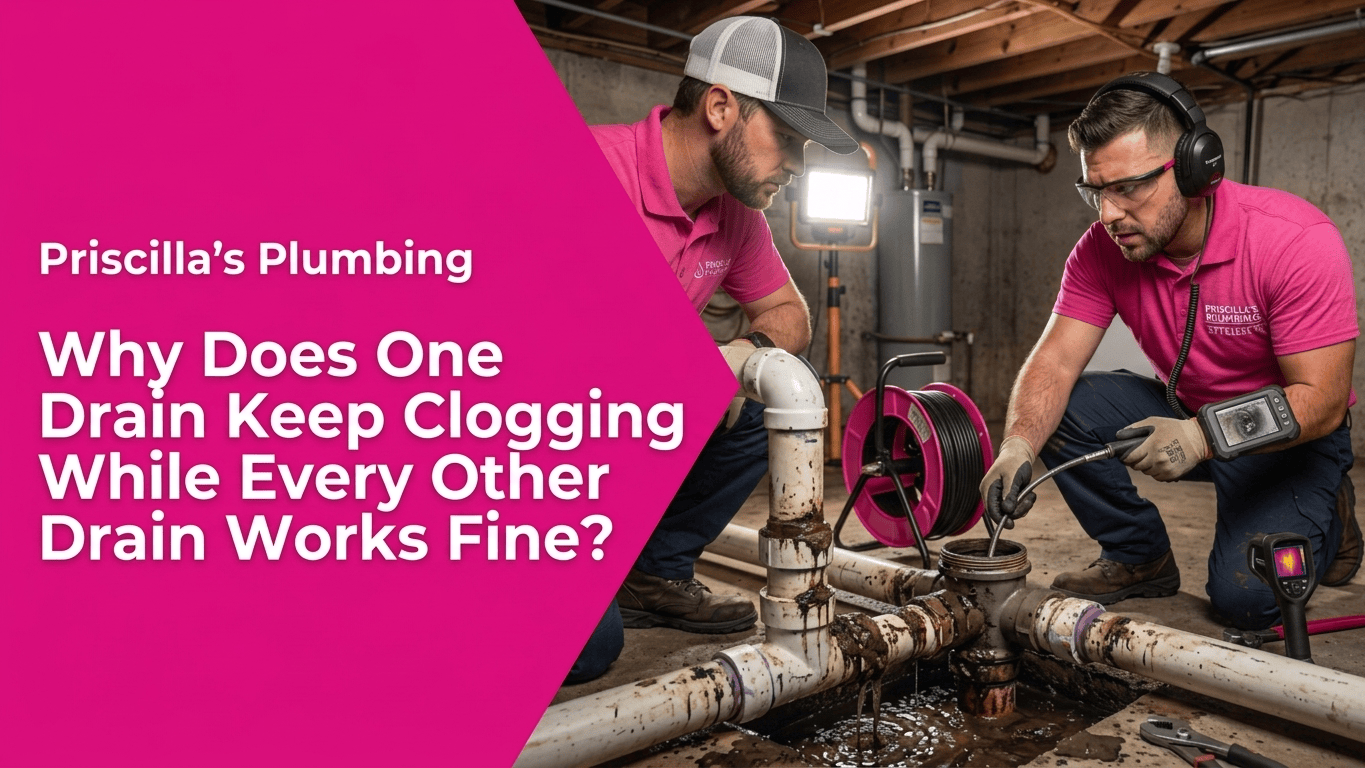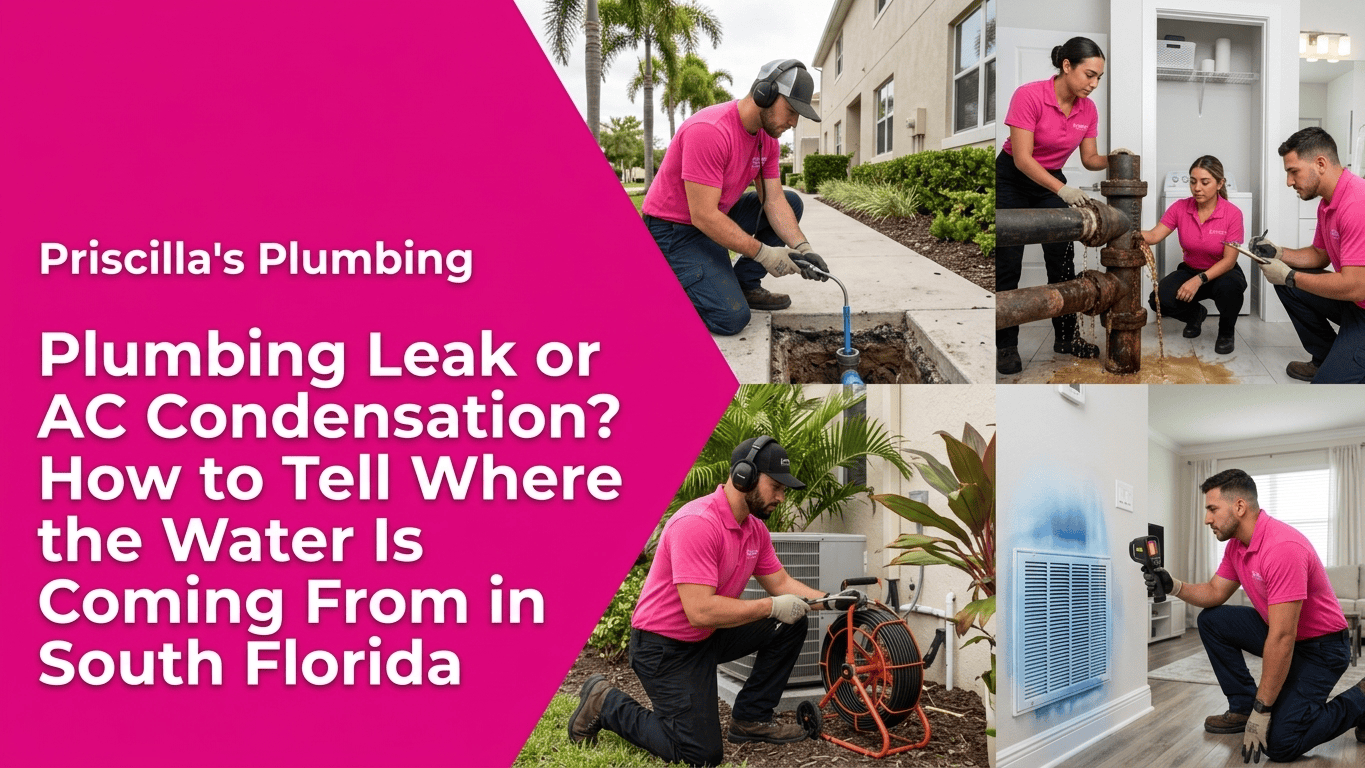

A plumber clears your drain, it backs up again two weeks later, and you are right back where you started, paying for the same fix twice. The reason is almost always something happening deep in the line that nobody can see from the surface. A sewer camera inspection ends the guesswork by showing exactly what is wrong, where it is, and how bad it has become before you spend a dollar on repairs.
For homeowners across South Florida, where aging pipes sit under concrete slabs and tree roots are relentless, that visibility is the difference between a targeted spot repair and tearing up half a yard.
What Is a Sewer Camera Inspection?
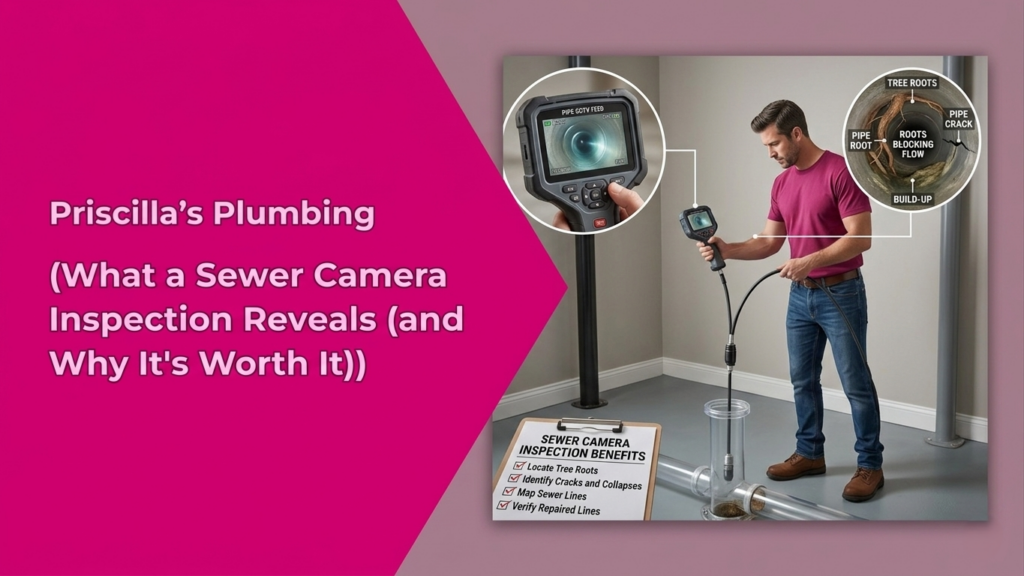
A sewer camera inspection is a diagnostic service where a plumber feeds a small, waterproof, high-definition camera on a flexible cable into your sewer or drain line. The camera sends live video to a monitor, so the plumber sees the inside of the pipe in real time, every joint, every bend, and every defect.
You will hear it called several things, all the same service:
- Sewer scope inspection
- Video pipe inspection
- CCTV drain camera inspection
- Drain camera survey
The point is simple. Instead of guessing why a line keeps clogging, the plumber looks inside and finds the actual cause.
How a Sewer Camera Inspection Works
Most inspections take 30 minutes to an hour. The process is non-destructive, which is the whole appeal: no digging, no breaking concrete, just a look inside the pipe.
- Finding access. The plumber locates an entry point, usually a cleanout, which is a capped access pipe connected to your sewer line. If your home has no accessible cleanout, the plumber may remove a toilet to use that opening instead.
- Feeding the camera. The waterproof camera head, mounted on a long push cable, is fed into the line. Professional cables run 100 feet or more, far past anything a consumer drain camera can reach.
- Reading the live feed. As the camera travels, the plumber watches the monitor, looking for blockages, cracks, corrosion, root intrusion, and changes in the pipe’s slope.
- Locating the problem. A built-in transmitter, or sonde, lets the plumber pinpoint the camera’s exact depth and location underground from above the surface. This is how a repair gets targeted to a single spot instead of guesswork excavation.
- Documenting findings. A reputable plumber records the video and shows you what they found, so any repair recommendation is backed by footage you can see for yourself.
That locating step is the part most cost-guide articles skip, and it is the most valuable. Knowing a crack sits 42 feet down under the driveway, and nowhere else, is what turns a yard-wide dig into a small, precise repair.
What Plumbers Actually See on the Camera
This is where an inspection earns its cost. Here is what shows up on the monitor and what each finding means for your home.
Tree root intrusion
Fine roots work into the pipe through tiny cracks or loose joints, then mass into a net that snags everything passing through. On camera, they look like webbing or hair filling the pipe. Roots are one of the most common causes of recurring backups in older South Florida neighborhoods, where mature trees sit close to sewer lateral lines.
Cracked or offset joints
Pipes shift over time, especially in Florida’s sandy soil and high water table. When sections settle unevenly, the joints crack or offset, meaning two pipe ends no longer line up. Water and waste leak out, soil washes in, and the misalignment catches debris. On camera, an offset joint shows as a visible step or gap where one pipe meets the next.
Bellied or sagging pipe
A belly is a low spot where the pipe has sunk and lost its proper downhill slope. Waste pools there instead of flowing through, causing repeat clogs. On the feed, the plumber sees standing water sitting in the line where it should be draining freely. Bellies are common where soil settles under a slab.
Corrosion and pipe scale
Older cast-iron lines corrode and build up rough scale on the interior walls. That scale narrows the pipe and grabs grease and solids. The camera reveals the rough, flaking, rust-colored interior that tells a plumber the pipe is near the end of its life.
Collapsed pipe
The worst finding. A section has caved in, fully or partially blocking the flow. On camera, the line simply ends or narrows into rubble. A collapse means excavation or trenchless replacement, and catching it early through routine inspection is far cheaper than discovering it during a sewage backup.
Foreign objects and grease buildup
Wipes, toys, hardened grease, and other debris show up clearly. The camera confirms whether the problem is a simple removable clog or something structural, which decides whether you need a snake, hydro jetting, or a repair.
Why a Sewer Camera Inspection Saves You Money
It feels like an extra cost on top of a clog you already want gone. Here is why it usually pays for itself.
- It prevents repeat service calls. Clearing a clog without finding the cause means paying again when it returns. The camera finds the root cause once.
- It turns blind digging into targeted repair. Pinpointing the exact location means a plumber repairs three feet of pipe instead of excavating thirty.
- It catches small problems before they collapse. A hairline crack or early root intrusion is cheap to address. A collapsed line or a sewage backup into your home is not.
- It protects you when buying a house. A pre-purchase sewer scope on an older home can reveal thousands of dollars in hidden pipe damage before you close, giving you room to negotiate or walk away.
That last point matters in a market full of older housing stock. A home can look immaculate above ground and hide a failing cast-iron sewer line underneath. The inspection is cheap insurance against a five-figure surprise.
When You Should Get a Sewer Camera Inspection
Consider scheduling one if you notice or face any of the following:
- Drains that clog repeatedly after being cleared
- Multiple fixtures are backing up at the same time
- Gurgling toilets or sewage odors in the home
- Slow drainage throughout the whole house
- Buying or selling a home built more than a few decades ago
- Mature trees growing near your sewer line
- Planning a renovation that ties into existing drain lines
For homes over 40 years old or properties with heavy tree activity, an inspection every one to two years is a reasonable preventive habit. Catching early root intrusion before it becomes a blockage is far cheaper than emergency work.
The South Florida Factor
Local conditions make inspections more useful here than in many parts of the country. Many homes around Oakland Park, Fort Lauderdale, and the wider Broward area still run on original cast iron or clay sewer laterals that have been corroding for decades. Add a high water table, sandy soil that shifts and settles, and aggressive tropical tree roots, and you have the exact recipe for offset joints, bellies, and root intrusion.
A camera inspection accounts for all of that without disturbing your landscaping or slab. It is the most reliable way to know the real condition of a pipe you cannot otherwise see. If you are dealing with recurring backups or buying an older property, Priscilla’s Plumbing provides sewer and drain diagnostics across South Florida and is reachable 24/7.
FAQ
How much does a sewer camera inspection cost?
Most homeowners pay between $150 and $500, with the price depending on line length and access.
Will a sewer camera inspection damage my pipes or yard?
No. It is non-invasive. The camera enters through an existing cleanout or toilet, with no digging required.
How long does a sewer camera inspection take?
Most take 30 minutes to an hour, longer if the line is long or heavily clogged.
Do I get a copy of the inspection video?
A reputable plumber records the footage and reviews it with you so repairs are backed by visible evidence.
Can a camera inspection find the exact location of a problem?
Yes. A built-in transmitter lets the plumber pinpoint the depth and spot underground for targeted repair.
Should I get a sewer scope before buying a home?
Yes, especially for older homes. It reveals hidden pipe damage before closing and can save thousands.
How often should I have my sewer line inspected?
Homes over 40 years old or near large trees benefit from an inspection every one to two years.