
In the plumbing world, the most dangerous reversal is called backflow. To prevent it, you need backflow certification in Broward County to install special valves and have them checked every single year. But why?
If you own a home or business in Broward County, you have likely gotten a letter about backflow testing at some point. Maybe you set it aside. Maybe you were not sure what it meant. Here is the short version: the certification is not optional; it protects your water, and missing the deadline can cost you more than the test itself.
Let us tell you everything you need to know about backflow certification that local property owners are required to keep current.
What is Backflow?
Your plumbing system is designed to keep water moving in one single direction: from the city main line into your building. However, sudden changes in water pressure can cause the water flow to reverse.
- Backsiphonage: This happens when a water main breaks down in the street or a fire truck uses a nearby hydrant. The drop in pressure creates a vacuum that sucks dirty water backward into the clean water lines.
- Backpressure: This happens when a private system (like a boiler or a pool pump) develops higher pressure than the city supply line, pushing contaminated water into the clean system.
To stop this from happening, cities use a strategy called cross-connection control. A cross-connection is any physical point where a clean drinking water pipe connects with a non-drinking source (like a chemical tank, a fire sprinkler system, or a lawn irrigation line). By installing a mechanical device at this point, you create a one-way street that protects the public water supply.
How to Stay in Local Water Department Compliance
Broward County Water and Wastewater Services takes water safety very seriously. The county tracks every single backflow device in its system using a third-party tracking network called Backflow Solutions Incorporated (BSI).
To maintain total county water department compliance, you must follow a strict annual schedule:
- Watch for the Notice: The county or BSI will typically mail you a notice 30 to 60 days before your certification expires.
- Hire a Specialist: You cannot test the valve yourself. You must hire a licensed, certified tester who is registered to work within Broward County.
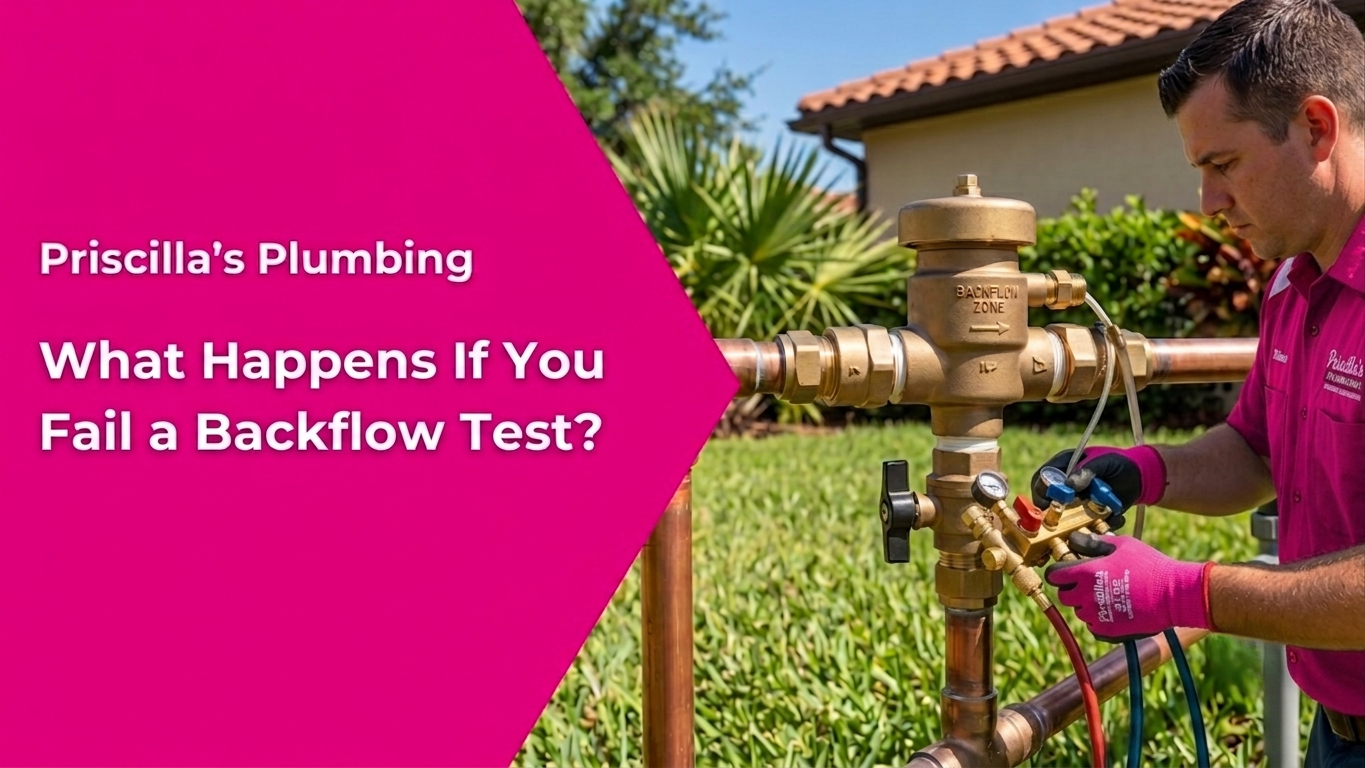
- The Physical Test: The tester hooks up specialized pressure gauges to the test cocks on your backflow valve to ensure the internal check valves hold pressure correctly.
- Annual Test Report Submission: Once the device passes, the tester must handle the annual test report submission directly through the official online portal and pay the mandatory county filing fee.
If your device fails the test, it must be repaired or replaced immediately and then re-tested to ensure it passes before your deadline.
The Backflow Preventer For High-Hazard Protection
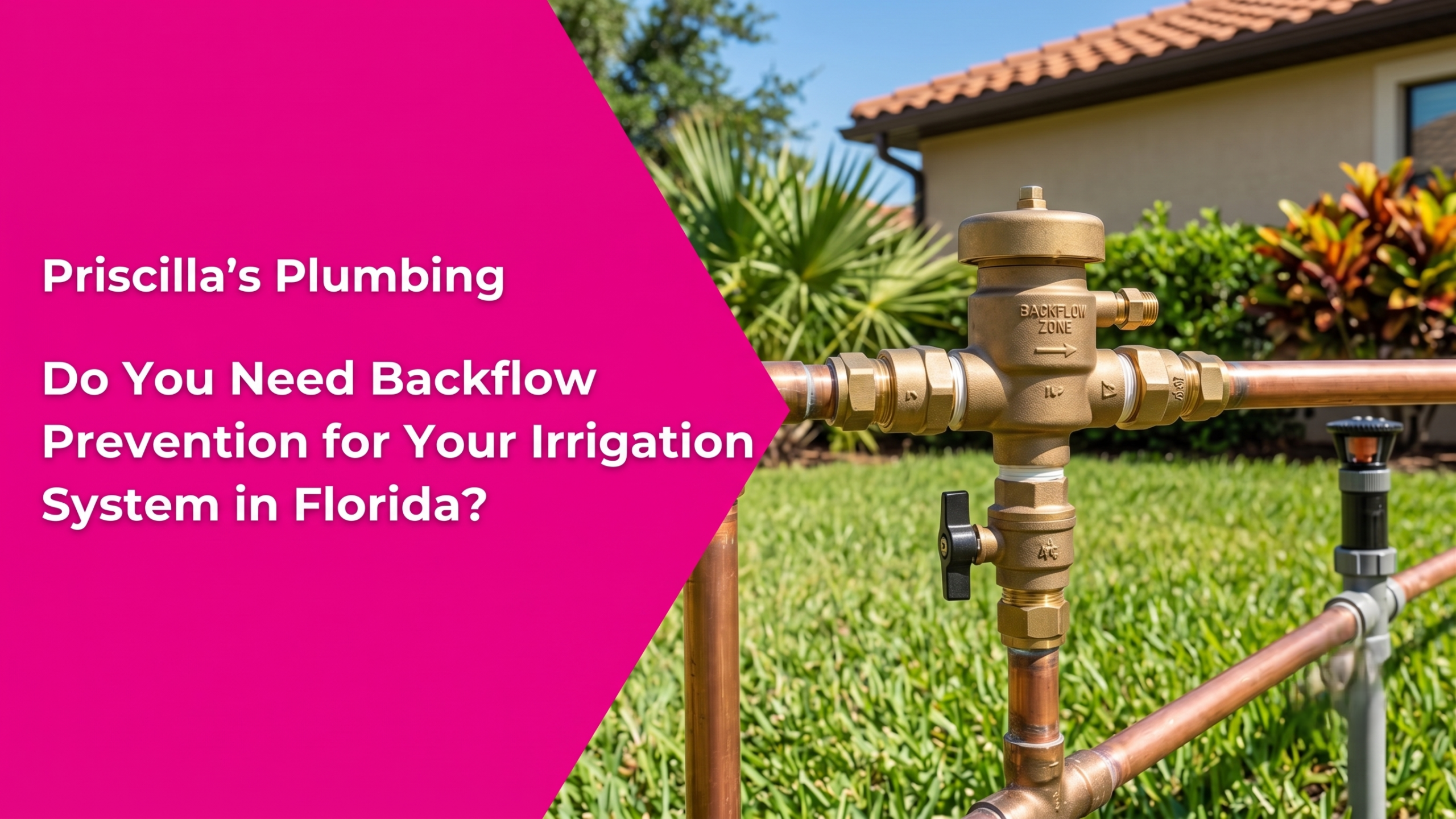
There are different types of backflow assemblies, but the most secure and common mechanical device used for high-hazard areas is the RPZ backflow preventer (Reduced Pressure Zone assembly).
An RPZ valve contains two independent internal check valves and a built-in relief valve that opens to dump water out if the system detects a pressure failure. Because it has moving parts, seals, and springs that wear down over time, it must be physically tested every 12 months to guarantee it is still working properly.
The Cost of Ignoring Your Backflow Certification in Broward County
Skipping your annual test from a certified backflow tester is an expensive mistake. The rules are structured to prevent public health crises, so water utilities do not offer much flexibility.
If your test lapses without a passing result on file, you can expect:
- A formal notice of non-compliance
- Possible fines
- In some cases, water service may be restricted until the device is tested and the report is filed
None of this is worth risking over a test that usually takes less than an hour.
Stay Compliant Without Lifting a Finger
Backflow testing and backflow certification in Broward County is easy to put off and expensive to ignore. Staying compliant with local water laws shouldn’t feel like a guessing game. You need a fast, accurate test from a team that handles the paperwork correctly the first time.
Priscilla’s Plumbing handles the entire process for Broward County homes and businesses. Every technician is a certified tester, licensed and insured under Florida license CFC1432961, backed by four generations of hands-on experience across the county’s water requirements. A real person answers the phone 24 hours a day, pricing is explained before any work begins, and a 4.9 Google rating reflects work done right the first time.
Call (954) 982-6244 or visit our office to book your certified tester and protect your property.
Frequently Asked Questions
How often does a backflow preventer need to be tested in Broward County?
Once a year, for most residential and commercial properties with an installed assembly.
Who can legally test a backflow preventer?
Only a certified tester, licensed to inspect and sign off on the assembly under Florida and county standards.
What happens after the test is complete?
The result must go through an annual test report submission to the county’s official portal. A passed test alone does not count until it is filed.
Can I install or repair my own backflow preventer?
No. Installation and repair must be done by a licensed plumbing contractor, and the device must be retested after any repair.
What is the difference between an RPZ and a double check valve?
An RPZ backflow preventer has a relief valve that opens if the check valves fail, giving it stronger protection. A double-check valve has no relief valve and is typically used for lower-risk connections.