
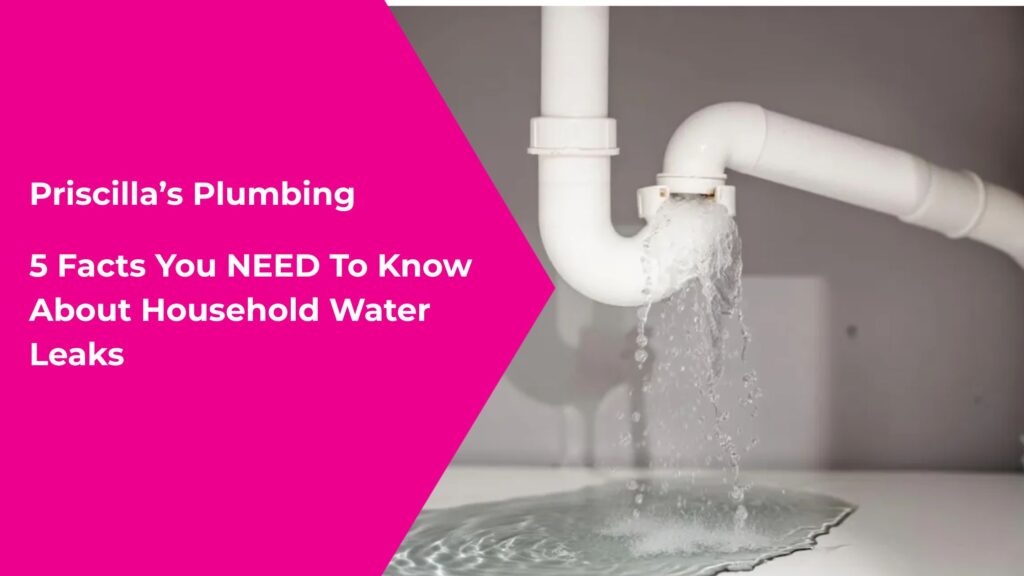
Let’s be real, nobody wakes up thinking about their pipes. But down here in South Florida, where the humidity is no joke and old plumbing is everywhere, household water leaks are a serious problem that sneaks up on you fast.
We’re talking about dripping faucets, worn-out toilet flappers, cracked pipe joints behind your walls, little things that add up to big damage. And the wild part? Most of these leaks are invisible. You don’t see them. You just feel them in your water bill, or worse, in your floors and walls.
Let’s decipher the 5 facts that’ll make you want to check your pipes right now.
Household Water Leaks: Facts That Make A Difference
According to the U.S. Environmental Protection Agency (EPA), the average home loses more than 10,000 gallons of water a year to leaks alone, enough to fill a backyard swimming pool. And across all U.S. homes, that number climbs past 1 trillion gallons annually.
Here are 5 facts about water leaks that every homeowner needs to know, starting now.
1. Your House is Wasting More Water Than You Think
Let’s talk numbers, and no, we aren’t talking about the lottery. Across the country, household leaks waste nearly 1 trillion gallons of water every single year. That is a number so big it’s hard to even wrap your head around.
For the average home, we’re looking at about 10,000 gallons wasted yearly. To put that in perspective, that’s enough water to wash 10 months’ worth of laundry. If you’ve been wondering how to detect water leaking in your energy bills, it’s probably not because you took an extra-long shower. It’s that silent leak in the guest bathroom. Even a tiny hole in an irrigation pipe, about the thickness of a dime, can dump 6,300 gallons a month into the dirt. Stop letting your hard-earned cash soak into the ground!
2. Toilets Are the Main “Bad Actors.”
If there were a “Most Wanted” list for water thieves, the toilet would be Number 1. A running toilet is a total vibe killer for your budget. It can waste a full gallon of water in just 30 seconds. Most of the time, the culprit is a worn-out rubber flapper that doesn’t seal right anymore.
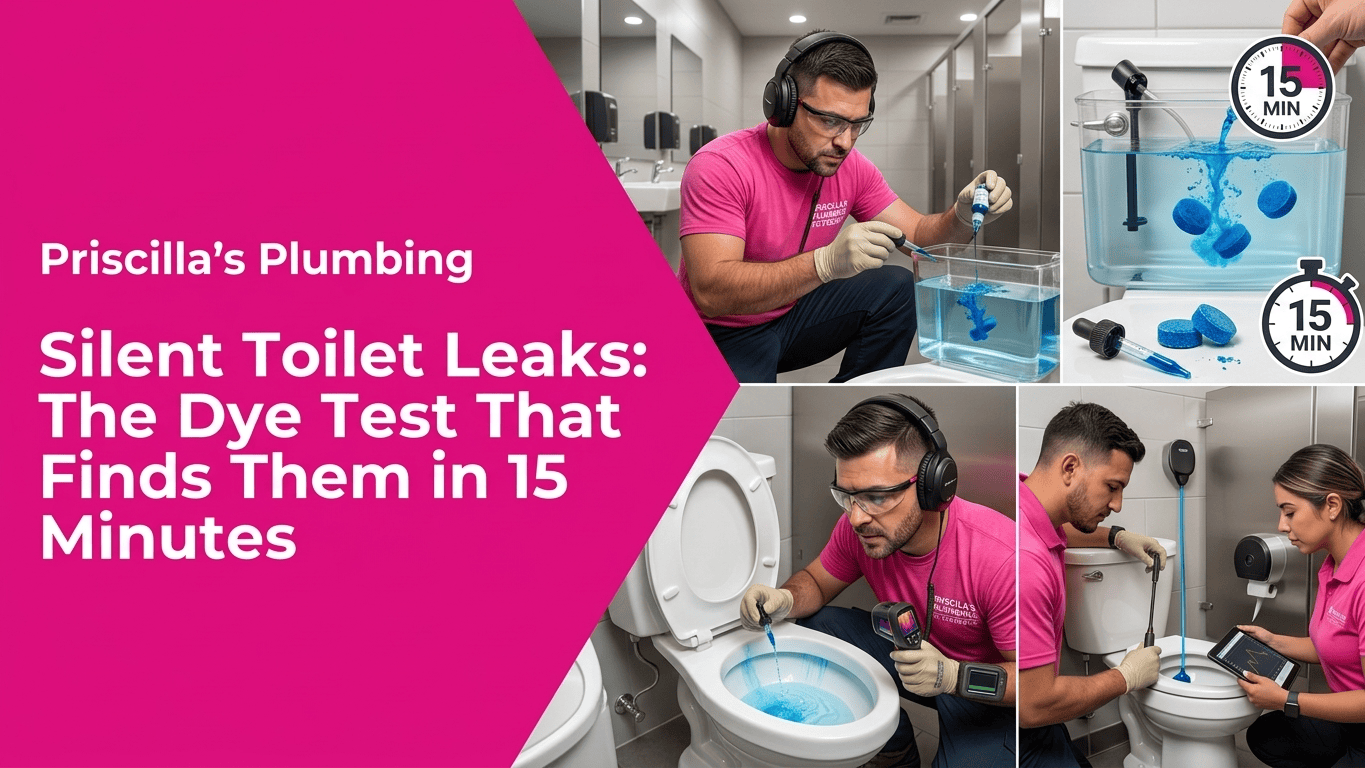
The tricky part? You can’t always hear it. Here’s a pro tip: drop some food coloring into the tank (the back part) and wait about 10 minutes. If that color creeps into the bowl without you flushing, your flapper is toast. It’s a cheap fix, but if you ignore it, you’re basically flushing money down the drain.
3. The Scariest Leaks are the Ones You Can’t See
It’s easy to spot a leaky sink, but how to detect water leaks in walls or under your floor? That’s where things get tricky. These hidden leaks are the real “jit” of home maintenance, always causing trouble when you aren’t looking.
You might have a hidden leak if you notice:
- A funky, musty smell that won’t go away.
- Walls that look stained or feel soft.
- Peeling wallpaper or bubbling paint.
- A sudden spike in your water bill.
If you see mold growing on a wall that isn’t even near a window, you’ve likely got a pipe acting up behind the drywall. According to the American Red Cross, water damage is one of the leading causes of home insurance claims, and hidden leaks are usually the starting point for major structural disasters.
4. “Slab Leaks” Can Wreck Your Home’s Foundation
Down here in the South, many of our homes are built on concrete slabs. When a pipe breaks under that concrete, we call it a slab leak. This is the big boss of plumbing problems. If it goes on too long, the water can shift the soil, cause your foundation to crack, or even make your house move.
Since you can’t see through concrete, you need to know how to detect water leaks underground. One of the best ways is to use your water meter as a detective tool.
- Turn off every single faucet, hose, and appliance (dishwasher/laundry) in the house.
- Go find your water meter (usually near the curb or the side of the house).
- Write down the numbers and wait two hours without using a drop of water.
- Check the meter again. If the numbers moved, you’ve got a leak somewhere, and it might be under your feet.
5. Most Repairs are Faster Than a Quick Trip to the Beach
Here is the good news: most water leaks are actually pretty simple to fix if you catch them early. Replacing a showerhead, swapping a faucet washer, or clicking a new toilet flapper into place doesn’t take much time or money.
However, if you find a leak you can’t stop, don’t just “MacGyver” it with duct tape. Turn off your main water valve immediately to stop the bleeding. Then, call in a pro who has the right tools for water leak detection. Trying to DIY a major pipe burst is a fast way to turn a small problem into a total “hot mess.”
Quick Check-List: Where to Look for Leaks
- The Washing Machine: Pull it out and check those rubber hoses. If they look cracked or wet, swap them out before they pop.
- The Water Heater: Check the base for puddles. If the pressure relief valve is dripping, the tank might be on its last legs.
- The Backyard: Check your outdoor spigots. In Florida, our sun can bake those rubber seals until they crack.
Ignoring a leak is like leaving the front door open with the AC running; it’s just bad business. Beyond the money, the health risks are real. Mold loves a leaky pipe more than a tourist loves South Beach. Once mold spores start flying, they can cause allergies, coughing, and breathing issues for your family. Plus, mold eats through drywall and wood, literally consuming your house from the inside out.
The Bottom Line
Keeping your home dry isn’t just about saving water; it’s about protecting your sanctuary. By staying alert and knowing how to detect household water leaks early, you save yourself from the massive headache of a flooded living room or a ruined foundation. Don’t let a tiny drip become a giant disaster.
If your water bill is climbing, your floors feel damp, or you just want peace of mind, Priscilla’s Plumbing is ready to find it, fix it, and make it right. Licensed, local, and available 24/7 in Broward and Palm Beach County. We don’t just “patch” things; we fix them right the first time so you can get back to enjoying the sunshine. Whether you need high-tech inspection or just a quick flapper fix, we’ve got your back. Click here to schedule your inspection with Priscilla’s Plumbing today and keep your home high and dry!