

You found the house. The kitchen looks perfect, the yard fits your family, and the price sits right where you hoped. Underneath the floors and inside the walls, though, sits a system you cannot see during a normal walkthrough. Without a pre-purchase plumbing inspection, that failing system can cost you tens of thousands of dollars if it fails after closing.
Why? South Florida homes carry a specific set of plumbing risks tied to age, humidity, and decades-old materials builders stopped using for good reason. Today, we will walk you through the exact red flags to check before you sign, so you close on a home you understand fully, not one hiding a surprise behind the walls.
Why a Pre-Purchase Plumbing Inspection Is Much Needed In South Florida
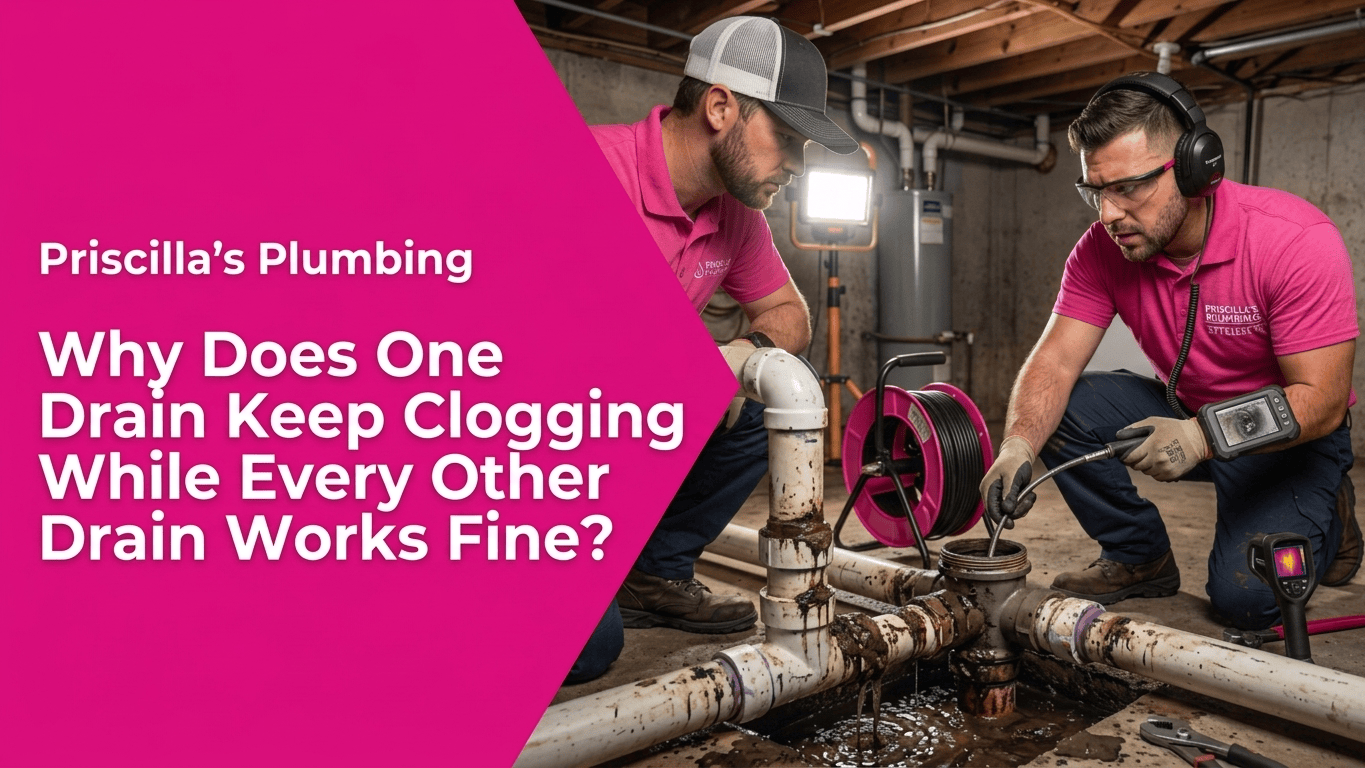
A standard home inspection covers plumbing at a surface level, checking fixtures and visible pipes for obvious problems. A true pre-purchase plumbing inspection goes further, using cameras and pressure tests to look inside pipes a general inspector never opens up.
South Florida’s older housing stock, humid climate, and history of specific pipe materials make this extra step worth the small upfront cost, especially for any home built before the 1990s.
Critical Plumbing Red Flags to Check Before Closing
For a buyer, this means one inspection might not answer every plumbing concern. You should look closer when the home has:
- Older cast iron drain pipes.
- Gray or blue polybutylene supply pipes.
- Repeated slow drains.
- Gurgling toilets or sinks.
- Low water pressure.
- A rusty or old water heater.
These home inspection plumbing issues do not prove a major failure. They tell you where further testing makes sense. Watch for these five red flags specifically during your buying process.
1: Look for Aging Cast Iron Pipes
Cast iron drain pipes appear in many older South Florida homes. Age alone does not prove a pipe needs replacement. Condition matters.
Older cast iron might develop internal rust, scale, cracks, or weak sections. Problems often stay hidden beneath a concrete slab or inside walls. A recurring slow drain or sewer odor deserves attention because the visible symptom might come from a deeper drain problem.
A cast iron age assessment helps you understand the pipe material, approximate age, visible condition, and need for further testing. If the property has older or failing cast iron pipes, ask for a camera inspection before your inspection period ends.
2. Check for Polybutylene Supply Lines
Polybutylene is a gray or blue plastic water supply pipe used in many homes built decades ago. Older polybutylene systems deserve close review because the material has a history of leaks and failures.
Look under sinks, near water heaters, and around exposed supply lines. A home inspection report might identify the pipe material. Ask for a closer plumbing review if the material appears to be polybutylene.
Do not assume the material alone tells you the repair cost. The amount of piping, access, home layout, and replacement method all affect the work.
3. Pay Attention to Slow Drains and Gurgling
One slow sink drain does not always point to a main sewer problem. Several slow fixtures create a different concern.
Watch how the plumbing behaves when you run more than one fixture. Flush a toilet while another sink drains. Run a shower and check nearby fixtures. Listen for gurgling sounds.
Also watch for sewer odors. Repeated smells, backups, or several slow drains deserve a closer inspection.
These signs might point to a blockage, poor venting, damaged drain piping, or another issue. A thorough inspection for sewer scope before buying gives you a better view of the main line.
4. Test Water Pressure
Turn on more than one faucet or shower during your inspection. Notice whether water flow drops sharply.
Low pressure might come from several sources. Internal corrosion, old supply lines, leaks, valves, or other plumbing problems might affect flow.
One weak faucet does not tell you enough. A whole-house pressure problem deserves a broader check.
5. Check the Water Heater
Look at the water heater before you close. Check its age, condition, connections, and base.
Rust around the tank or water near the bottom needs attention. A tank that has been in service for more than 10 years also deserves an age and condition review.
Ask for the model information and service history when available. A small check before closing is easier than dealing with a failed tank after moving in.
Do Not Ignore Vague Plumbing Disclosures
Pay close attention when a seller gives unclear answers about past leaks, water damage, insurance claims, drain repairs, or repiping. A vague answer does not prove a hidden defect. Still, you should ask for more detail.
A seller’s disclosure form asks direct questions about past water damage, insurance claims, and future plumbing negotiation repair credit. However, vague or incomplete answers deserve a closer look, not a quick signature. A seller writing “unknown” or leaving a section blank does not always mean something is being hidden, but it does mean you cannot rely on their word alone.
Pairing your review of the disclosure with an independent sewer camera inspection and pressure test closes this gap and gives you facts instead of assumptions.
Buy with Confidence, Not Guesswork
A house looks finished from the outside, but the plumbing underneath tells the real story about what you are about to own. To get the best deal on your purchase, a pre-purchase plumbing inspection can help you find all the red flags. You can also take help from professionals to get a precise answer.
At Priscilla’s Plumbing, we give South Florida buyers the camera inspections, pressure tests, and honest documentation needed to walk into closing with real answers instead of assumptions. Four generations of licensed expertise, clear written reports, and a team that helps you negotiate from facts, not guesswork.
Schedule your inspection for repipe services today and buy your next home knowing exactly what sits behind the walls.
Frequently Asked Questions
How much does a pre-purchase plumbing inspection cost?
Cost varies by home size and scope, but the price sits far below what a single major repair, such as a sewer line collapse, would cost after you already own the home.
Can I still buy a home with cast iron pipes?
Yes. Many South Florida homes still run on cast iron, and the pipes remain usable for years with proper maintenance, though a professional assessment helps you understand remaining lifespan before you buy.
Does a sewer scope catch every possible plumbing problem?
A sewer scope focuses specifically on the main line and reveals cracks, blockages, and root intrusion clearly, though a full inspection combining pressure testing and fixture checks gives you the most complete picture.
What should I do if the seller’s disclosure seems incomplete?
Request additional documentation where possible, and pair your review with an independent plumbing inspection so you have facts to rely on rather than an incomplete form alone.