Most residential plumbing systems were designed decades ago, long before modern products, heavy soap usage, and food waste habits became common. Over time, pipes accumulate debris that slowly restricts water flow.
What makes clogged drains dangerous is not the blockage itself, but the pressure and backflow it creates inside your plumbing system. This pressure can crack pipes, loosen joints, and cause leaks behind walls or under floors.
Preventing clogs protects not just your drains, but your entire home.
How Drain Clogs Actually Form (What Most Blogs Don’t Explain)?
Drain clogs don’t happen instantly. They form in layers.
First, sticky materials such as grease, soap residue, or conditioner coat the inside of pipes. Next, hair, food particles, and minerals attach to that layer. Over time, the pipe diameter shrinks until water can no longer pass freely.
This is why plunging or chemical cleaners often fail, they treat the symptom, not the buildup.
High-Risk Areas for Clogged Drains in Your Home
Clogged Shower Drain
Hair mixed with soap residue is the number one cause of bathroom drain blockages. Conditioner and body oils accelerate buildup.
Bathtub Drain Clogged
Bathtub drains clog faster in homes with children or pets due to increased debris and thicker hair accumulation.
AC Drain Line Clogged
Air conditioners produce condensation. When dust, algae, or mold builds up, the drain line backs up and can cause water damage inside your home.
Kitchen Sink Drains
Grease, oils, coffee grounds, and starchy foods harden inside pipes and attract debris.
Early Warning Signs You Should Never Ignore
Many homeowners wait until a drain is completely blocked. That’s a mistake.
Slow Drainage
This is the earliest sign of buildup. Action here prevents emergencies.
Recurring Clogs
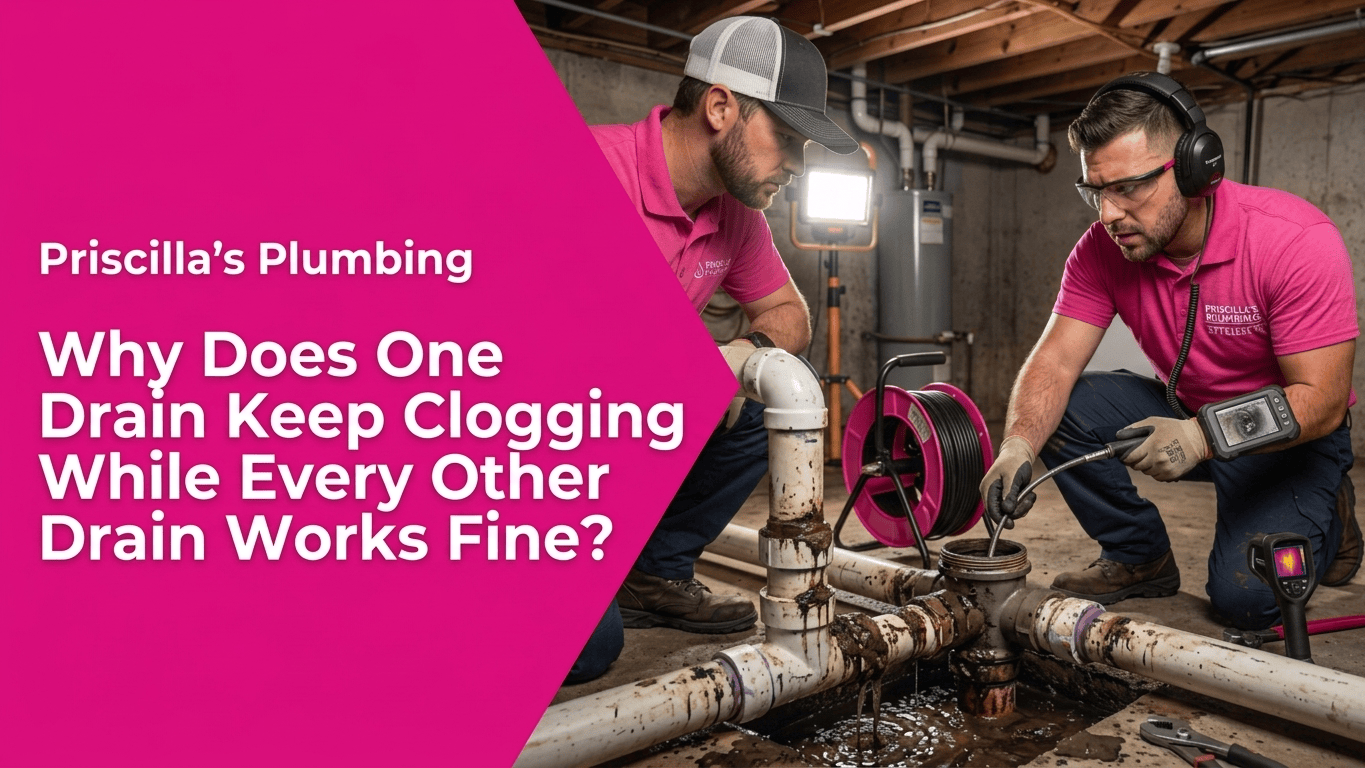
If the same drain clogs repeatedly, the buildup exists deeper in the pipe.
Gurgling Sounds
Air trapped by a partial blockage causes bubbling noises.
Foul Drain Odors
Decomposing organic material inside pipes releases gas.
Daily Habits That Prevent Clogged Drains Long-Term
Be Intentional With Water Usage
Running water alone doesn’t clean pipes. It often pushes debris deeper into the system.
Use Drain Screens Everywhere
This single habit prevents most bathroom and kitchen clogs.
Never Pour Grease Down Drains
Even hot grease solidifies once it cools inside pipes.
Avoid “Flushable” Products
Many wipes and hygiene products do not break down.
Bathroom Drain Prevention (Expert-Level Advice)
Hair Is the Real Enemy
Hair creates a net inside pipes that traps everything else.
Switch Soap Types
Bar soaps leave residue. Liquid soaps reduce buildup.
Monthly Preventive Flush
Hot water and enzyme cleaner keep pipes clear without damaging them.
Kitchen Drain Prevention That Actually Works
Scrape, Don’t Rinse
Food scraps belong in the trash, not the drain.
Garbage Disposals Are Not Trash Cans
Fibrous foods, eggshells, and grease can damage the drain.
Cold Water With Disposals
Keeps grease solid so it doesn’t coat pipes.
AC Drain Line Clogs: The Most Overlooked Plumbing Issue
Many homeowners don’t realize their AC has a drain line.
When it clogs:
- Water backs up into ceilings or walls
- Mold grows rapidly
- HVAC systems shut down
Annual inspections prevent expensive repairs.
DIY Drain Maintenance That Is Actually Safe
| Method | Why It Works |
| Enzyme cleaners | Break down organic buildup |
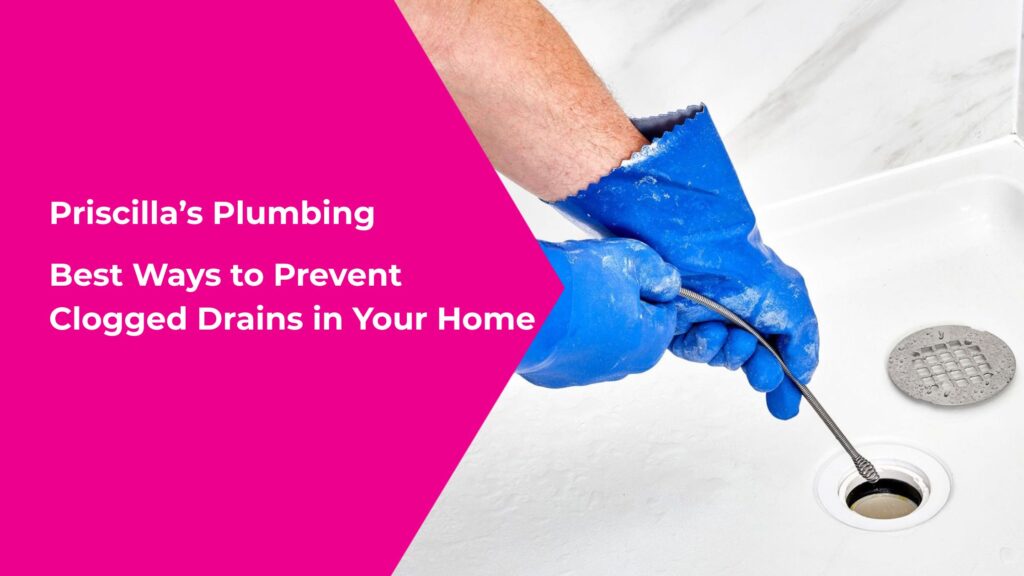
| Drain snakes | Remove physical debris |
| Hot water flush | Dissolves grease residue |
| Preventive inspections | Catch problems early |
Chemical drain cleaners damage pipes and shorten their lifespan.
Why Chemical Cleaners Make Clogged Drains Worse?
They:
- Corrode pipe interiors
- Create rough surfaces that trap debris
- Provide only temporary relief
Professional plumbers avoid them for a reason.
When DIY Is No Longer Enough?
If clogs return quickly or multiple drains back up, the issue is deeper.
Tree roots, pipe misalignment, or years of buildup require professional equipment.
If you need immediate help, follow our guide on unclog your drain fast to prevent further damage before service arrives.
Professional Drain Cleaning: Why It Works
Hydro Jetting
High-pressure water removes years of buildup.
Camera Inspections
Pinpoint problem areas without guesswork.
Preventive Maintenance Plans
Stop problems before they start.
How Often Drains Should Be Maintained?
| Fixture | Frequency |
| Kitchen sink | Every 6-12 months |
| Showers | Every 3-6 months |
| Bathtubs | Every 6 months |
| AC drain line | Annually |
Common Drain Myths That Cost Homeowners Money
- “Boiling water fixes everything”.
- “Slow drains are normal”.
- “Chemicals are safe”.
These myths lead to bigger repairs later.
Conclusion:
Clogged drains are not random, they are predictable and preventable. With the right habits, maintenance routine, and professional support, homeowners can avoid emergencies and extend the life of their plumbing system.
If you’re dealing with recurring drain issues or want expert prevention solutions, trust Priscilla’s Plumbing for professional, reliable plumbing services that protect your home long-term.
Frequently Asked Questions (FAQs)
1. Why do my drains clog even if I’m careful?
Hidden buildup accumulates over time and eventually restricts flow.
2. Can a clogged drain cause water damage?
Yes, backups can lead to leaks, mold, and structural damage.
3. Is an AC drain line clog serious?
Absolutely, it can cause ceiling leaks and HVAC failure.
4. How do plumbers permanently fix clogs?
By removing buildup entirely using professional tools.
5. How can I prevent future drain problems?
Routine maintenance, inspections, and better daily habits.