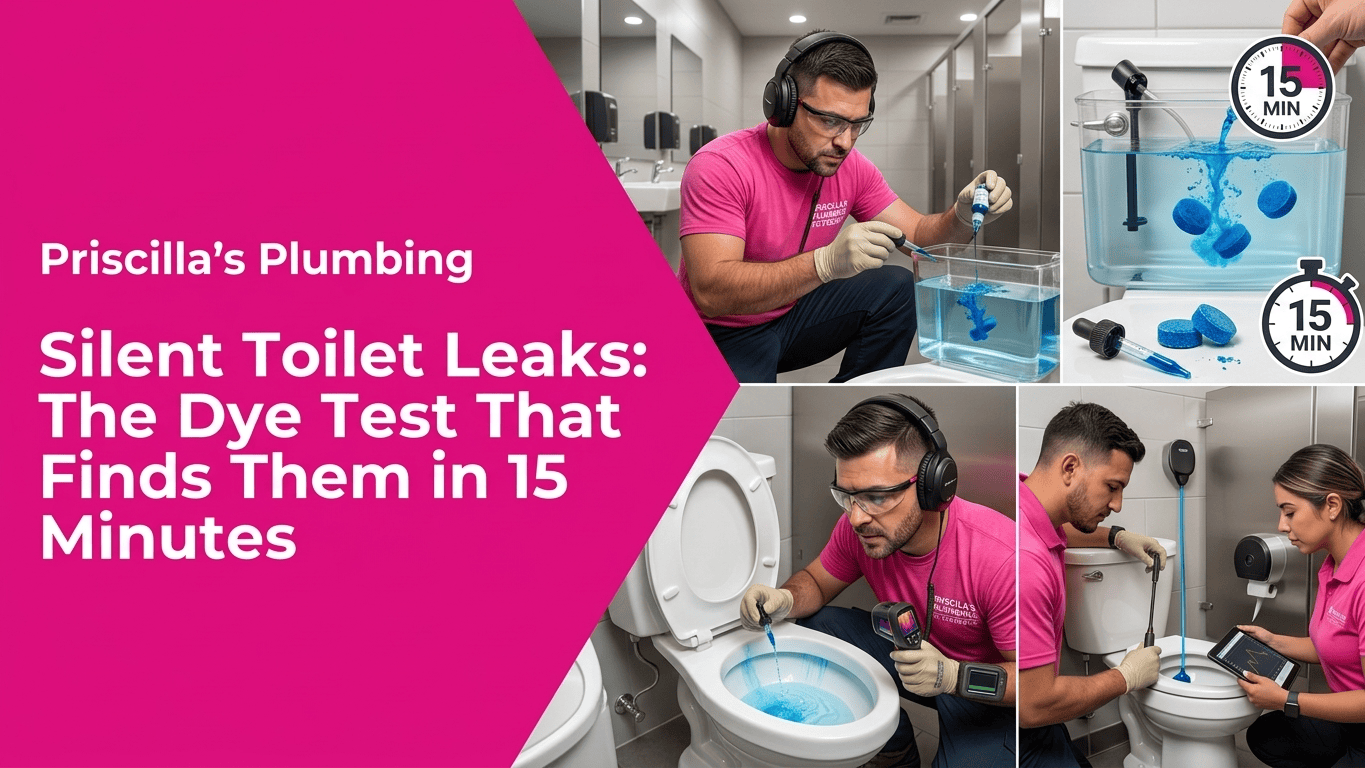

If you’ve ever wondered what a plumber actually does or what plumbing skills are truly essential, you’re not alone. Most people think plumbing is just fixing leaks, but the trade is far more technical, dynamic, and foundational to modern life. From diagnosing complex system failures to executing precise installations, plumbers keep homes, businesses, and commercial facilities running smoothly. For urgent issues, our emergency plumbing services are available to ensure that you never face plumbing problems alone.
This comprehensive guide explores the core skills needed to be a plumber, practical advice for aspiring professionals, and a deep dive into both residential and commercial plumbing repair, including specialized areas like pool plumbing repair, all explained in clear terms.
What Are Plumbing Skills?
Plumbing skills refer to the combination of technical knowledge, hands‑on ability, and problem‑solving expertise required to install, maintain, troubleshoot, and repair plumbing systems safely and efficiently. These skills are essential whether you’re working on residential homes, commercial facilities, or specialized systems like pools.
Plumbers work across settings and projects, which means the skills they need evolve with the complexity of the task from unclogging a simple drain to diagnosing a systemic failure in a large building.
Plumbing System Basics
Understanding plumbing system basics is the first step toward mastering the craft. Fundamentally, plumbing systems manage:
- Water supply and distribution, delivering potable water to points of use.
- Drain‑Waste‑Vent (DWV) systems, removing used water and air pressure control.
- Fixtures and appliances, toilets, sinks, showers, water heaters, etc.
Proper flow, venting, and pressure balance ensure systems function efficiently and safely.
Core Technical Skills Every Plumber Must Master
Below are the top technical plumbing skills every professional should develop:
1. Pipe Installation & Repair
Plumbers must know how to measure, cut, join, and secure various pipe materials — including PVC, copper, PEX, and cast iron. Expertise here ensures reliable water delivery and waste removal.
2. Fixture & Appliance Installation
From faucets to industrial water heaters, plumbers need precision to avoid leaks and preserve warranties.
3. Drainage & Sewer Skills
Understanding drainage patterns and sewer systems is critical to prevent clogs, backflow, and contamination.
4. Leak Detection & Troubleshooting
Finding hidden leaks and diagnosing their causes requires advanced skills and often specialized tools.
5. Blueprint Reading & Code Compliance
Blueprint interpretation and compliance with local codes ensure installations meet safety standards.
Soft & Professional Skills That Set Plumbers Apart
Technical ability isn’t enough in today’s trade. Modern plumbers also excel in:
- Communication: Explaining complex issues clearly to clients.
- Time management: Prioritizing tasks on busy job sites.
- Customer service: Building trust and repeat business.
- Problem‑solving: Diagnosing and fixing issues efficiently.
These skills ensure smooth interactions on every project.
Specialized Plumbing Areas
Plumbing extends beyond basic residential work. Key specialized areas include:
1. Commercial Plumbing Repair
Commercial systems are larger, more complex, and often adhere to stricter codes. This area requires advanced diagnostic and installation skills.
2. Pool Plumbing Repair
Pool systems have unique demands, such as circulation pumps, filtration lines, and drainage systems, and plumbers must understand chemical interactions and water pressure dynamics.
3. Backflow Prevention
Preventing contamination of potable water is essential. Learn the importance of backflow devices and how they protect public health. Read more about different types at Types of Backflow Preventers.
What Does the Plumber Skills Should Have?
Here’s a detailed breakdown of skills every plumber should possess:
Technical Aptitude
Plumbers must understand how water distribution, venting, and waste systems work. They must also be able to choose the right fittings and materials.
Strength & Physical Fitness
Lifting equipment, bending pipes, and working in tight spaces require physical ability.
Manual Dexterity
Precise hand control is crucial, especially when installing delicate fixtures.
Analytical Thinking
Diagnosing issues and predicting problems before they escalate sets top plumbers apart.
What Are Some Important Plumbing Tips?
Here are practical tips used by pros in the field:
1. Always Shut Off Water First
Before starting any repair, locate and close the main or fixture‑level shut‑off to prevent flooding.
2. Understand Slope & Drainage
Proper drainage depends on gravity slight misalignments can cause clogs.
3. Use Quality Sealants
Correct use of Teflon tape and sealants prevents leaks at fittings.
4. Stay Up‑to‑Date With Codes
Compliance protects safety and avoids costly rework.
5. Keep Tools Organized
Efficiency is tied to preparedness.
These fundamentals improve service quality and prevent repeat issues over time.
Common Plumbing Tools & When to Use Them
| Tool | Primary Purpose |
| Pipe Wrench | Tightening and loosening pipe fittings |
| Plunger | Clearing basic clogs in drains |
| Drain Snake/Auger | Removing deeper blockages |
| Pipe Cutter | Clean cutting of pipes |
| Teflon Tape | Leak prevention at threaded joints |
| Levels & Measuring Tools | Ensuring alignment and proper slopes |
Residential vs Commercial Plumbing
| Feature | Residential Plumbing | Commercial Plumbing |
| System Scale | Smaller, simpler systems | Larger, complex networks |
| Code Requirements | Standard local codes | Stricter commercial standards |
| Water Pressure | Lower pressure | High volume, variable pressure |
| Fixture Types | Standard home fixtures | Industrial fixtures |
| Maintenance Frequency | Moderate | Frequent due to heavy use |
Tips for Aspiring Plumbers
If you’re considering plumbing as a career, these tips will help you prepare:
- Get Formal Training: Trade schools and apprenticeships provide critical hands‑on experience.
- Start With Basics: Master basic plumbing skills for beginners, such as tool use and safety procedures, early on.
- Seek Mentorship: Work with experienced plumbers to learn real‑world problem solving.
- Stay Curious: Plumbing technology evolves, learning never stops.
- Build Professional Habits: Good communication and time management make you reliable and respected.
Conclusion
Understanding plumbing skills goes far beyond tightening a pipe or clearing a drain. Professional plumbers blend technical expertise, strategic thinking, safety knowledge, and customer service to keep essential systems operating reliably. Whether you’re aiming for a plumbing career or simply want to understand what goes into quality service, mastering the fundamentals, from system basics to advanced diagnostics, is key.
At Priscilla’s Plumbing, we offer top‑quality plumbing services, from routine maintenance to emergency repairs, ensuring your plumbing systems are always running smoothly. Trust our team of experts for all your plumbing needs, big or small.
Visit Priscilla’s Plumbing today for professional service you can rely on!
Frequently Asked Questions (FAQs)
1. What plumbing skills should beginners focus on first?
Beginners should start with tool familiarity, basic installations, leak detection, drainage understanding, and fixture replacement.
2. How long does it take to become a skilled plumber?
Most plumbers complete apprenticeships that take 4‑6 years, combining hands‑on work with classroom study.
3. Are plumbing skills the same for residential and commercial projects?
The fundamentals are the same, but commercial plumbing repair requires larger‑scale system knowledge and stricter code compliance.
4. Do plumbers need to know building codes?
Absolutely, compliance ensures safety and legality. Many plumbers must know IPC or UPC standards.
5. Can plumbing skills be self‑taught?
You can learn basic concepts independently, but professional training and apprenticeship are essential for certifications and career growth.