
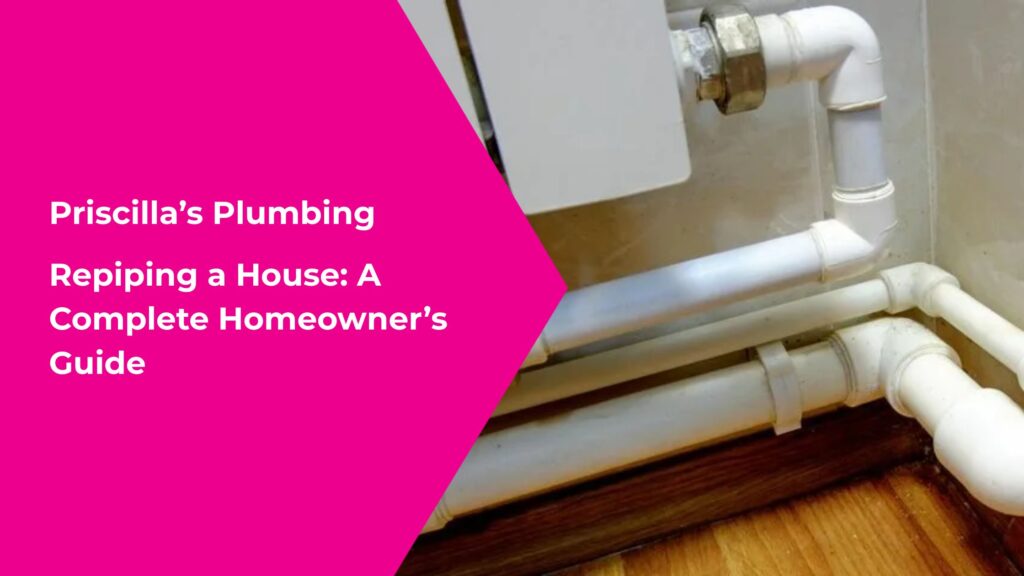
Repiping a house is one of the most important plumbing upgrades a homeowner may need when pipes become old, corroded, or unreliable. It involves replacing the entire plumbing system or major sections of it to ensure clean, safe, and consistent water flow throughout the home. Many homeowners ignore early warning signs until leaks or low water pressure become serious problems. Understanding the process of professional repiping a house helps you make informed decisions before damage spreads further. This guide explains everything from signs, costs, materials, and the complete process in simple terms.
What Is Repiping a House?
Repiping a house means replacing old or damaged plumbing pipes with new ones to restore proper water flow and prevent leaks. It can involve replacing hot and cold water lines, main supply lines, or the entire plumbing system depending on the condition of the home.
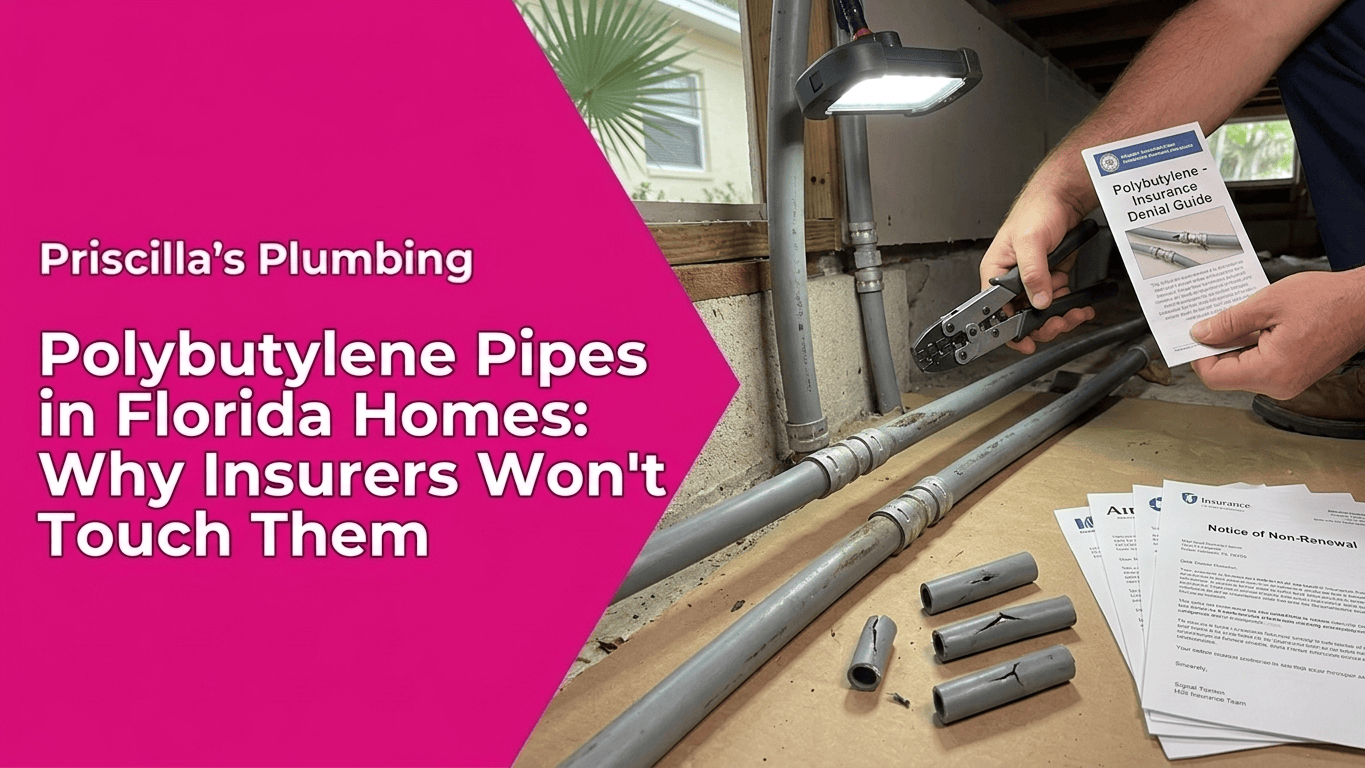
Most homes built 30–50 years ago may require repiping due to outdated materials like galvanized steel or polybutylene. These materials corrode, crack, or clog over time, leading to water pressure issues and contamination risks.
Modern repiping uses durable materials such as copper or PEX, which last longer and provide safer water delivery throughout the home.
Signs You Need Repiping a House
Recognizing early signs can save you from expensive water damage repairs. Here are common indicators:
- Frequent pipe leaks or repairs
- Rusty or discolored water
- Low water pressure throughout the house
- Strange taste or odor in tap water
- Visible corrosion on exposed pipes
- Noisy plumbing system (banging or rattling pipes)
If you notice multiple signs, it is likely time to consider a full or partial repiping solution.
Common Causes of Pipe Damage
Understanding why pipes fail helps prevent future issues. Most plumbing systems deteriorate due to:
- Aging infrastructure (30+ years old pipes)
- Hard water buildup causing mineral deposits
- Corrosion in metal pipes
- Poor installation or low-quality materials
- High water pressure stress
These issues slowly reduce system efficiency until full replacement becomes necessary.
Types of Materials Used in Home Repiping
Choosing the right material is important for long-term performance.
Copper Pipes
Copper is durable, long-lasting, and resistant to bacteria. It is commonly used in high-end plumbing systems but is more expensive.
PEX Pipes
PEX is flexible, cost-effective, and easy to install. It is the most popular choice for modern home repiping.
CPVC Pipes
CPVC is heat-resistant and affordable but less flexible compared to PEX.
Pipe Material Comparison
| Material | Lifespan | Cost | Flexibility | Best Use |
| Copper | 50+ years | High | Low | Premium homes |
| PEX | 40–50 years | Medium | High | Most residential homes |
| CPVC | 30–40 years | Low | Medium | Budget projects |
How to Repipe a House? (Step-by-Step Process)
Understanding how to repipe a house helps homeowners prepare for the project and minimize disruption.
Step 1: Inspection and Planning
A licensed plumber evaluates the entire plumbing system to determine the extent of replacement needed.
Step 2: Choosing Materials
Based on budget and home structure, materials like PEX or copper are selected.
Step 3: Water Supply Shutdown
The main water supply is temporarily shut off before work begins.
Step 4: Removing Old Pipes
Old or damaged pipes are carefully removed without affecting structural elements.
Step 5: Installing New Pipes
New piping is installed through walls, ceilings, or crawl spaces.
Step 6: Testing System
Water pressure and leak tests ensure everything works properly.
Step 7: Restoration Work
Any opened walls or ceilings are repaired and restored.
Best Way to Repipe a House
The best way to repipe a house depends on balancing cost, durability, and installation time. In most modern cases, PEX repiping is considered the most efficient solution due to its flexibility and affordability.
A professional plumbing contractor ensures minimal wall damage and faster installation using advanced tools and techniques. Planning ahead and choosing experienced specialists is key to avoiding future issues.
Home Repiping Cost Breakdown?
The cost of home repiping varies depending on house size, materials, and labor complexity.
| Home Size | Average Cost | Time Required |
| Small Home | $3,000–$6,000 | 1–2 days |
| Medium Home | $6,000–$10,000 | 2–4 days |
| Large Home | $10,000–$20,000+ | 4–7 days |
Additional costs may include wall repairs, fixture upgrades, or unexpected plumbing issues.
Water Line Repiping Explained
Water line repiping refers to replacing the main supply lines that bring water into your home. These pipes are critical because any damage can affect the entire plumbing system.
Main water lines often fail due to soil movement, corrosion, or aging materials. Replacing them ensures stable pressure and cleaner water supply throughout the house.
It is usually done along with full repiping projects to avoid future disruptions.
Whole House Repipe: When Is It Needed?
A whole house repipe is required when most plumbing lines are outdated or failing. Instead of repairing individual leaks, replacing the entire system becomes more cost-effective.
This solution is common in older homes where pipes are over 30–40 years old. It eliminates recurring leaks, improves water pressure, and increases property value.
Homeowners often choose whole house repiping when repair costs start exceeding replacement costs.
DIY vs Professional Repiping
Some homeowners consider DIY plumbing repairs, but repiping a house is not a simple task.
DIY Risks:
- Incorrect pipe installation
- Hidden leaks behind walls
- Code violations
- Water damage risks
Professional Benefits:
- Proper system design
- Licensed installation
- Warranty protection
- Faster completion
Hiring professionals ensures long-term reliability and safety.
Common Mistakes Homeowners Make
Many homeowners delay repiping until damage becomes severe. Common mistakes include:
- Ignoring small leaks
- Choosing cheapest materials only
- Hiring unlicensed contractors
- Delaying inspection after warning signs
Avoiding these mistakes can save thousands in future repairs.
Maintenance After Repiping
After a successful repiping project, proper maintenance ensures long lifespan:
- Regular plumbing inspections
- Monitoring water pressure
- Cleaning faucet aerators
- Checking for small leaks early
Good maintenance keeps your plumbing system efficient for decades.
Benefits of Repiping a House
Repiping offers several long-term advantages:
- Better water pressure
- Cleaner and safer water
- Reduced repair costs
- Increased home value
- Fewer plumbing emergencies
It is a long-term investment that improves overall home comfort.
Conclusion
Repiping a house is a critical upgrade that protects your home from leaks, water damage, and poor water quality. Whether you are dealing with aging pipes or recurring plumbing issues, a proper repiping solution ensures long-term stability, efficiency, and peace of mind. Understanding the process, materials, and costs helps you make smarter decisions for your property.
If you are planning a home repiping project or need expert guidance for a whole house repipe, trust experienced professionals who specialize in modern plumbing systems and installation standards. Reliable service makes all the difference in ensuring your home’s plumbing is safe, durable, and built for the future.
For dependable plumbing services and expert repiping work, contact Priscilla’s Plumbing today and let skilled professionals take care of your home’s complete plumbing needs.
Frequently Asked Questions (FAQs)
1. How long does repiping a house take?
Most homes take 2 to 5 days depending on size and complexity. Larger homes may take up to a week.
2. Is repiping a house worth it?
Yes, especially if your plumbing system is old or frequently leaking. It reduces long-term repair costs and improves water quality.
3. What is the best material for repiping?
PEX is considered the best option due to its flexibility, affordability, and durability.
4. Can I live in my house during repiping?
Yes, in most cases homeowners can stay during the process, although water supply may be temporarily interrupted.
5. What is the average lifespan of new pipes?
Modern piping systems last 40–50 years depending on material and maintenance.