
Water spots on ceilings can be alarming for homeowners, and many immediately jump to the conclusion that it’s a roof leak. However, the reality is that there are multiple reasons why these stains may appear, and not all of them are related to roof issues. It’s crucial to understand the root cause to avoid unnecessary repairs and costs. Water leak detection plays a key role in identifying the true source of the problem, whether it’s a roof leak, plumbing issue, or something else. In this blog, we will explore the various causes of ceiling water spots, how to differentiate between plumbing and roof leaks, and the best methods for detecting and preventing them.
The Most Common Causes of Water Spots on Ceilings
Water spots on ceilings can be caused by a variety of issues, not just roof leaks. The most common culprits include plumbing problems, such as leaky pipes or fixtures above the ceiling, and air conditioning condensation in humid environments. Other causes may include leaks from the attic, damaged roof flashings, or even moisture buildup in poorly ventilated areas. Identifying the root cause early can help prevent further damage and costly repairs.
1. Plumbing Leaks
When you notice a water spot on your ceiling, your first thought might be a roof leak. However, plumbing issues can also lead to ceiling stains. Water pipes often run through walls and ceilings, and a hidden leak in these pipes can cause significant water damage.
In many cases, plumbing leaks can be subtle, like a slow drip behind the walls, causing dampness that eventually shows up as a water stain. This can be especially problematic because small plumbing leaks can go unnoticed for a long time. Common culprits include leaky supply lines or drainpipes, especially in bathrooms or kitchens above ceilings.
2. Air Conditioning Condensation
Air conditioning systems, particularly in humid climates, are another potential cause of ceiling water spots. Air conditioners work by cooling the air and removing humidity, but when the condensation drain becomes clogged or overflows, water can drip from the unit onto the ceiling below.
In warmer regions like Florida, this is a frequent occurrence. Without proper maintenance, the AC system can leak water into your ceiling, leaving a wet spot that may resemble a roof leak. Over time, this moisture can lead to mold and mildew growth, making the issue even worse.
3. Leaks from Upstairs Plumbing
In multi-story homes, leaks in plumbing systems on upper floors can easily result in water spots on ceilings below. Whether it’s a leaking shower, a toilet that doesn’t seal correctly, or a burst pipe in the floor above, the water from these leaks will travel downward and affect the ceiling below.
For instance, a bathroom above a living room may cause water spots on the ceiling of the living room if the shower or sink has a slow leak. These types of leaks can sometimes be difficult to trace because the water may spread over time.
4. Roof Flashing and Vent Leaks
While plumbing issues are common, roof leaks are still one of the most frequent causes of water spots on ceilings. These leaks typically occur around areas where the roof is penetrated, like skylights, chimneys, or vents. Flashing, the material used to seal these penetrations, can wear out or get damaged, allowing water to seep through during rainstorms.
Roof leaks often show up as darker, irregular stains that spread across the ceiling. However, it’s important to note that roof leaks may not always appear immediately after rain, especially if there is a delay in water penetration through the roofing material.
5. Attic Moisture
The attic can be a major source of ceiling water spots, especially in older homes. Poor ventilation or insulation in the attic can cause excess moisture to accumulate on the ceiling. When warm, moist air rises into the attic, it may condense on cold pipes or ducts, and eventually, this water will drip down onto the ceiling below.
In areas with significant temperature fluctuations or high humidity, this can happen more often, leading to water stains over time. Attic moisture is often overlooked as a cause of water spots, but it’s something to consider if your home has an older or poorly ventilated attic space.
How to Differentiate Between Plumbing and Roof Leaks?
Differentiating between plumbing and roof leaks is crucial for addressing the right issue. Plumbing leaks are often localized and may show up around bathrooms, kitchens, or laundry rooms, where pipes are located. These leaks can also happen regardless of weather conditions. On the other hand, roof leaks tend to worsen after rainstorms and are usually found in the ceiling’s center or near roof penetrations, such as vents or skylights. By considering the location, timing, and stain patterns, you can make an informed guess, but professional inspection ensures accurate identification.
Timing
Roof leaks typically worsen when it rains or during wet weather. If your ceiling water stains appear during or immediately after rainfall, it’s a strong indication that the source is related to your roof. However, plumbing leaks may occur at any time, independent of weather conditions. If the stain persists or appears in dry conditions, plumbing may be the culprit.
Location
The location of the water stain on your ceiling can help determine its cause. For example, water spots directly under bathrooms, kitchens, or laundry rooms are more likely to be caused by plumbing issues, such as leaky pipes or overflowing drains. Roof leaks, on the other hand, are often found in areas farther from plumbing systems, typically at the edges of the roof or near roof penetrations.
Stain Characteristics
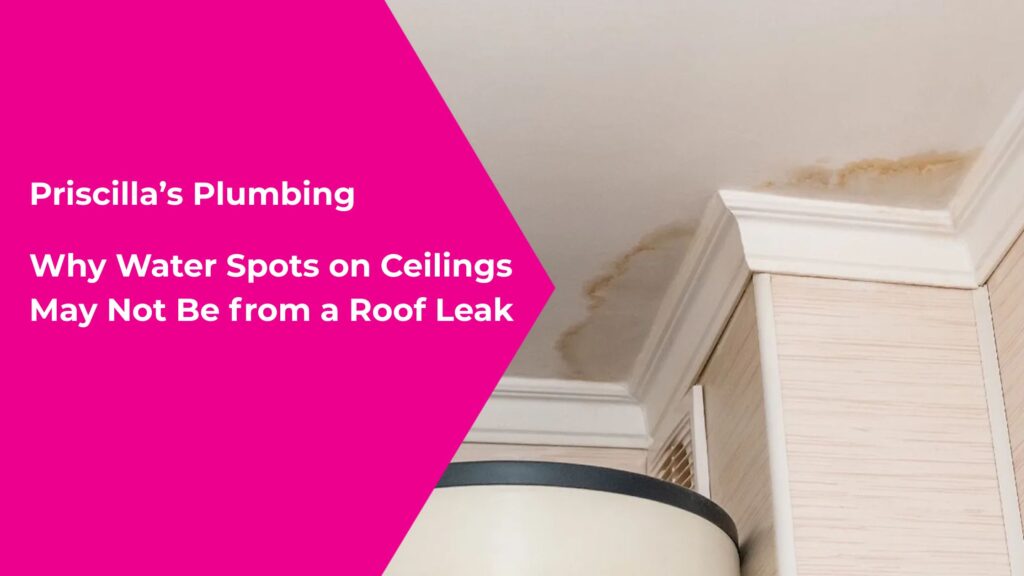
Roof leaks tend to leave irregular stains that may expand over time, especially as more water seeps through the roof. These stains may also appear in a “wet spot” pattern, often spreading in various directions from a central point. In contrast, plumbing leaks often produce more defined, lighter stains with soft edges, and the stain may not spread as much.
Why Professional Water Leak Detection is Essential?
Water spots on ceilings can be tricky to diagnose, and attempting DIY repairs may lead to costly mistakes. A professional water leak detection service uses advanced tools and techniques to accurately locate the source of the leak without causing unnecessary damage to your walls or ceiling.
Advanced Leak Detection Methods:
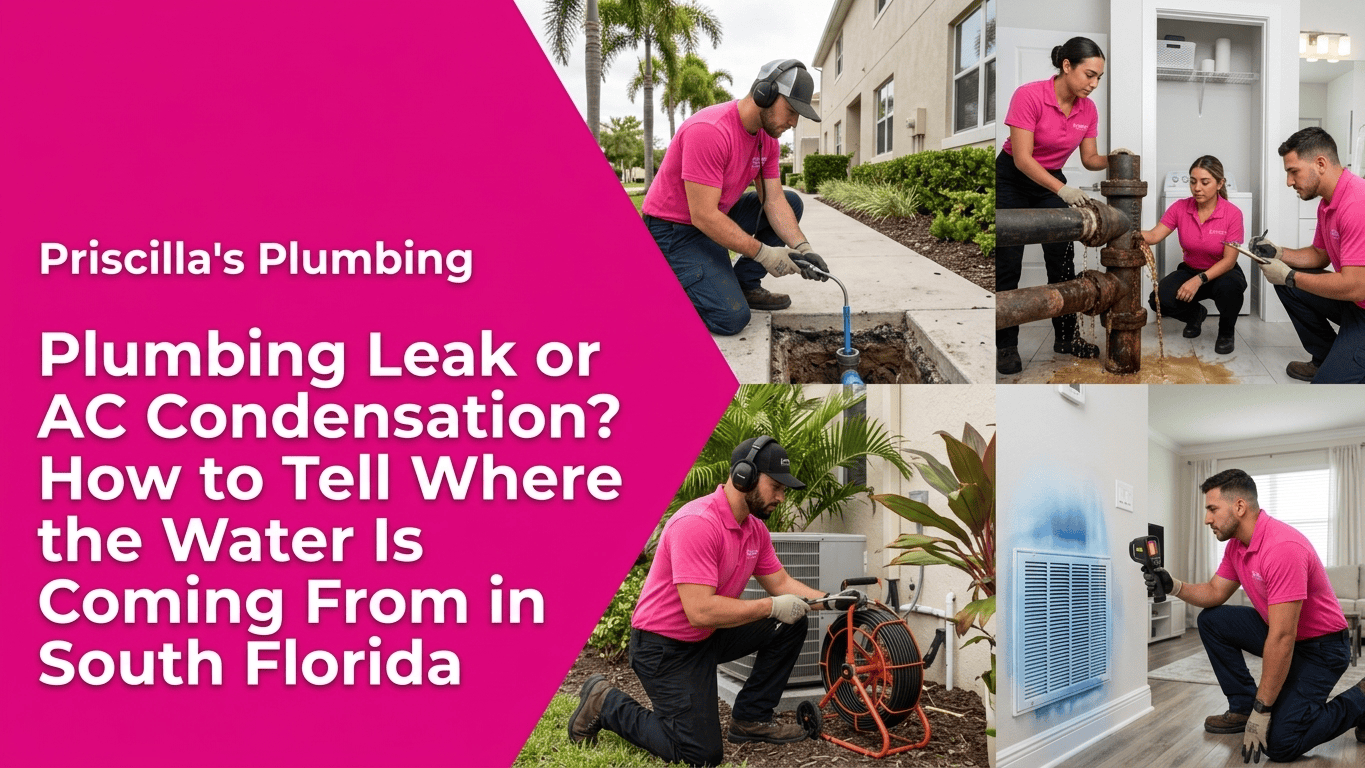
- Thermal Imaging: Thermal cameras detect changes in temperature caused by moisture. These cameras can pinpoint hidden leaks in walls or ceilings before they become visible stains.
- Acoustic Detection: This method listens for the sounds of water escaping from pipes. It’s especially useful for detecting leaks in walls or ceilings that are difficult to access.
- Moisture Meters: These meters measure the level of moisture within building materials, helping to determine the extent of the damage and whether the leak is ongoing.
If you’re interested in learning more about the methods used to identify leaks in your home, be sure to read our detailed post on water leak detection methods to understand how professionals can help pinpoint the problem before it escalates.
Preventing Water Spots on Ceilings
Preventing water spots on ceilings starts with regular maintenance and timely repairs. For plumbing systems, schedule routine inspections to catch leaks early, especially around high-risk areas like bathrooms and kitchens. Ensure your air conditioning system’s drain lines are clear to prevent condensation from causing ceiling stains. Additionally, roof maintenance is essential, inspect your roof for damaged shingles, flashing, or vents that could lead to leaks. Proper attic ventilation also helps reduce moisture buildup. Regular checks and proactive care will help keep your ceilings dry and damage-free.
1. Regular Plumbing Inspections
Routine plumbing inspections can help catch leaks before they cause significant damage. A small drip can be easily missed, but a professional plumber can identify potential issues during an inspection.
2. Clean Your AC Drain Line
To prevent AC condensation from dripping onto your ceiling, ensure that your AC system’s drain line is clear. Schedule regular maintenance to avoid blockages that could cause water damage.
3. Roof Maintenance
Roof leaks can be prevented by regularly inspecting the roof for damaged flashings, cracked shingles, or other vulnerabilities. If you live in an area prone to heavy rains or storms, consider having your roof inspected after each season.
Conclusion
Water spots on ceilings can be caused by various factors, not just roof leaks. Whether it’s a hidden plumbing issue, air conditioning condensation, or attic moisture, it’s important to accurately diagnose the cause before performing repairs. If you notice water stains, don’t hesitate to contact Priscilla’s Plumbing for professional, accurate leak detection. Our expert team is here to ensure your home stays safe from water damage and costly repairs.
Frequently Asked Questions (FAQs)
1. How can I tell if my ceiling stain is from a roof leak?
Roof stains are usually irregular and worsen with rain. If the stain appears during dry conditions, it’s more likely to be caused by plumbing.
2. What should I do if I notice water spots on my ceiling?
Contact a professional leak detection service to accurately locate the source of the stain and prevent further damage.
3. Can water spots be caused by mold?
Yes, if the moisture is left untreated, mold can grow behind the ceiling, which could worsen the issue and pose health risks.
4. How long can a water stain go unnoticed?
If the leak is slow, a water stain may remain unnoticed for weeks or months, potentially causing further damage to your home’s structure.
5. Can I fix the stain myself?
While removing the stain is possible, addressing the root cause of the leak requires professional intervention.