
In Florida’s warm, humid climate, plumbing systems operate year-round, increasing the risk of an underground water leak developing beneath your property. With sandy soil, heavy rainfall, shifting ground, and aging pipes in many neighborhoods, hidden leaks beneath your yard or driveway are more common than you might think. The challenge is that underground leaks often develop quietly, showing subtle warning signs long before visible damage appears. To detect these issues early and prevent costly damage, professional leak detection services can identify hidden leaks before they become a major problem.
Learning how to detect an underground water leak early can help you avoid high-water bills, landscape damage, foundation issues, and costly emergency repairs. In this guide, we’ll explain the key warning signs to watch for, simple checks homeowners can perform, the advanced tools professionals use to accurately locate hidden leaks, and why fast action is especially important in Florida’s unique environment.
Understanding Underground Water Leaks
An underground water leak occurs when a water pipe beneath your yard, driveway, or foundation begins to leak. These leaks often start small, a tiny crack or a failing joint buried beneath the surface, but they can grow bigger over time. Because most signs aren’t immediately visible, these leaks often go unnoticed until they become costly problems.
Florida’s warm weather and shifting soil conditions can mask leaks for months. Moist areas may behave like natural wetlands, hiding what should be a source of concern.
Common Signs of a Water Leak
Hidden water leaks often start quietly and can go unnoticed for months. Paying attention to an underground water leak detector can help you catch a problem before it causes serious damage.
1. Unexplained Rise in Water Bills
Have you ever notice random increase in water bills? This is the first sign of a hidden water leak, even if the water usage remains unchanged. The standard household water usage needs to be tested for 1 month, as any sudden billing increase without a reason indicates a leak from an underground source.
2. Wet, Lush Spots in Your Yard
The wet, lush areas throughout your backyard create two distinct sections, which require examination. The green grass of Florida is particularly beautiful after dry weather because it receives continuous water from underground sources. The presence of unusually green or wet areas in your lawn during dry periods indicates that water from a broken underground pipe is leaking into your yard.
3. Low Water Pressure or Gurgling Sounds
Low pressure in faucets or strange gurgling sounds, especially when no water is in use, can mean water is escaping through a hidden opening. The existence of audible sounds from inside walls and floors indicates that your piping system has encountered a serious problem.
4. Cracks or Shifts in Driveways and Foundations
When underground water doesn’t flow through its designated pathways, the soil begins to move. The process creates cracks in driveways, concrete, and patios that become visible when wet soil conditions develop. Why early detection matters? The detection of these early shifts enables the construction team to stop major building problems from developing.
If you’re wondering how to find a water leak underground, there are a few simple checks you can perform before contacting a plumber.
DIY Leak Detection Methods to Try First
The excavation process should not be undertaken for every plumbing problem that requires immediate resolution. You can check for underground water leaks by performing several basic tests before contacting a professional. Early detection of water leaks will help you avoid costly water-damage repairs and reduce your water bill.
Check Your Water Meter for Hidden Water Loss
Has your water bill started to rise without a clear reason? Your water meter can help solve your problem. The process begins by shutting off all water outlets inside and outside your home, including faucets, appliances, sprinklers, and hoses. The test requires all household members to refrain from using water during that period.
Proceed to find your water meter and take the current measurement. The period of time requires you to refrain from using water for 30 to 60 minutes. After that period, you need to verify the meter measurement again. Did the measurement show any variations to you? The movement of the meter indicates that water continues to move through some part of your plumbing system. This particular problem is one of the most obvious indications of a concealed underground leak.
Listen Carefully and Inspect Your Yard
Do you hear faint hissing when all devices in your home are turned off? The best time to check your meter box, outdoor valves, and hose connections is during the early morning or late-night hours, when you can listen closely to those areas. The sound of running water, even at a low level, indicates a problem underground.
Start walking through your yard at a slow pace. Do you see wet areas, grass that has become excessively green, standing water, and sinkholes forming? Underground water leaks usually manifest as these symptoms. The sandy soil of Florida allows water to move quickly through the ground, so even minor surface changes require your complete attention.
Professional Leak Detection: Tools & Techniques
When DIY hints point to a leak, the most accurate and efficient solution is expert leak detection. Professional plumbers use advanced technologies and specialized underground water leak detection equipment to accurately locate hidden pipe damage.
Here are the top methods the pros use:
1. Acoustic Leak Detection
Professionals use highly sensitive listening devices that amplify underground sound waves. Water escaping a pipe under pressure creates a distinct hissing or rushing noise that trained technicians can detect and trace back to the exact pipe location.
2. Ground Penetrating Radar (GPR)
GPR works by sending radar pulses into the ground and analyzing the returning waves. Furthermore, differences in soil density and moisture appear on the technician’s screen, revealing voids or saturated soil consistent with a leak, all without drilling or digging.
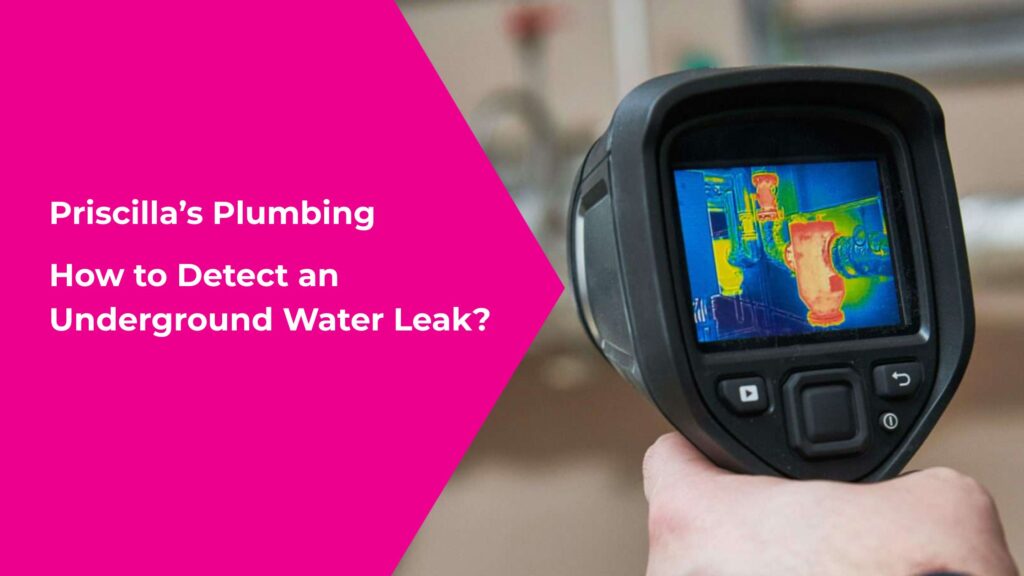
3. Thermal Imaging Cameras
These cameras detect temperature differences in soil. A leaking pipe cools (or occasionally warms) the ground above it, producing a visual pattern that’s invisible to the naked eye. It’s a powerful way to spot underground leaks early.
4. Tracer Gas Detection
This method involves injecting a harmless gas, like helium, into the plumbing system. The gas escapes from the leak and rises; detectors can identify the exact spot where the tracer gas reaches the surface, pinpointing the leak location precisely.
5. Pressure & Dye Testing
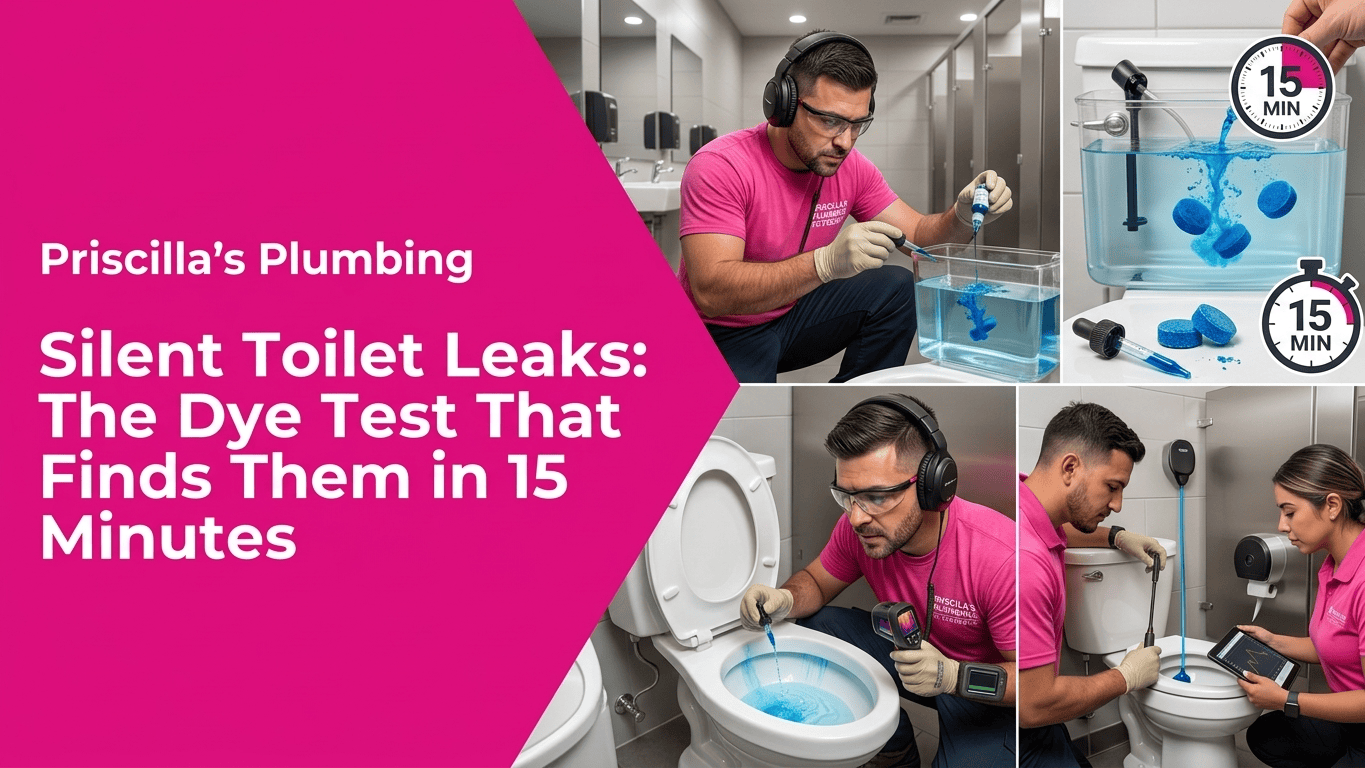
Pressure testing examines changes in pipe water pressure to infer the location of a leak. While dye tests use special coloring introduced into the system to confirm leaks visually. In combination, these help technicians efficiently validate and isolate issues.
Why Professional Detection Matters in Florida
Florida homeowners know that water damage is very expensive. Even small leaks erode soil, cause mold, and weaken foundations over time. Moreover, ignoring these leaks can lead to:
- Costly foundation repairs
- Extensive landscaping damage
- Mold growth and indoor air quality concerns
- Higher municipal water bills
Professionals not only detect a leak but also pinpoint its location and evaluate the best approach to fix it without needless digging or guesswork.
When to Call a Plumber for Leak Detection
However, it is important to conduct regular leak detection inspections. But if you notice these signs, then call quickly:
- A sudden spike in your water bill
- Persistent wet or soft ground
- Low water pressure or strange sounds
- Lawn discoloration or foundation cracks
It’s time to reach out to a licensed specialist. The longer you wait, the more damage a hidden leak can cause, especially with Florida’s wet summer seasons and shifting soil conditions.
Conclusion
Detecting an underground water leak starts with awareness. Spotting early signs, using simple tests, and understanding how professionals locate leaks is essential for preventing costly repairs and preserving your property.
Are you ready to inspect your leak detection professional and looking for a reliable resource in your area? In South Florida, there’s no better partner than Priscilla’s Plumbing. With licensed technicians, advanced non‑invasive tools, and a neighborhood‑trusted reputation, we have the team that protects Florida homes from hidden water damage before it becomes a disaster.
Whether it’s an underground leak or slab issue, choose the pros who care about your home and your peace of mind.
Call us to schedule your services for optimal, long-term outcomes.
Frequently Asked Questions (FAQs)
1. How do I Know if I Have an Underground Water Leak?
Common signs include a sudden increase in your water bill, unexplained wet or unusually green patches in your yard, low water pressure, or the sound of running water when no fixtures are in use. Performing a water meter test is often the first step in confirming a hidden leak.
2. How to Find a Water Leak Underground Without Digging?
You can start by turning off all water in your home and checking your water meter for movement. If the meter continues running, it suggests a hidden leak. However, accurately locating the leak typically requires professional underground water leak detection equipment such as acoustic sensors, thermal imaging, or tracer gas systems.
3. What is the Best Underground Water Leak Detector?
The best underground water leak detector depends on the situation. Professionals commonly use acoustic listening devices, ground penetrating radar (GPR), and thermal imaging cameras. These tools help pinpoint the leak location without unnecessary digging or property damage.
4. Can an Underground Water Leak Damage my Foundation?
Yes. Over time, leaking water can erode soil beneath driveways, patios, and foundations. This may lead to cracks, sinking areas, or structural instability if not addressed promptly.
5. When Should I Call a Plumber for Underground Leak Detection?
You should contact a licensed plumber if you notice persistent wet spots, unexplained billing increases, reduced water pressure, or foundation cracks. Early professional detection can prevent costly repairs and long-term property damage.