

Water heater problems are common, especially for many homeowners in Pompano Beach. It often starts with signs you may miss in your routine, such as slow heating, unusual noises, and higher utility bills. When these issues recur, it may be time to replace the water heater before a complete failure disrupts daily life. Minor faults can usually be fixed after repair services, but aging systems lose efficiency quickly. Rusty water, leaks, or inconsistent temperatures usually indicate a faulty heater replacement.
Another concern is the budget. Ignoring early signs often increases the overall replacement cost due to emergency labor and water damage. In some cases, replacing an element can extend the system’s life, but this is not a permanent solution for older tanks. Understanding when to replace your water heater can save money and prevent sudden cold showers or unexpected breakdowns.
How Long Does a Typical Water Heater Last in Pompano Beach?
As you know, most water heaters don’t last forever, especially in coastal areas like Pompano Beach. Moreover, warm temperatures, humidity, and mineral heavy water affect performance. Understanding the expected lifespan helps homeowners plan for water heater replacement and upgrades to avoid emergency breakdowns.
Average Lifespan of Tank Water Heaters
Traditional tank water heaters are designed to provide reliable service for many years, but they are not built to last indefinitely. The typical lifespan of most units is 8 to 12 years under standard operating conditions. However, lifespan can be significantly reduced by factors such as age patterns and water quality. However, the increase in internal wear leads to a gradual decline in performance.
As units age, internal wear becomes unavoidable:
- Mineral deposits build up inside the tank.
- Internal corrosion weakens metal components.
- Heating efficiency declines year after year.
As these problems increases water heater repair often becomes more dangerous and less effective.
Tankless Systems and Durability
Traditional tank water heaters are designed to provide reliable service for many years, but they are not built to last indefinitely. Under typical conditions, most units function efficiently for around 8 to 12 years. However, several factors, including usage patterns and water quality, can significantly shorten that lifespan. As internal wear increases, performance gradually declines and maintenance needs rise.
Over time, similar challenges can arise:
- Mineral deposits build up inside the tank.
- Internal corrosion weakens metal components.
- Heating efficiency declines year after year.
As these problems intensify, water heater repair often becomes more frequent and less effective.
Impact of Local Water Co-Conditions.
The quality of your water is also important to the lifespan of a water heater. Hard water is a common issue in Pompano Beach. Its high mineral content increases sedimentation rates, thereby influencing the system’s performance. Furthermore, over time, this accumulation causes the unit to exert greater effort, leading to wear and reduced efficiency.
This leads to several problems:
- Sediment coats heating elements.
- Your systems work harder to heat water.
- Efficiency drops and energy bills rise.
If left unaddressed, these issues often accelerate the need for replacement.
Maintenance and System Life
Routine servicing is among the best ways to maintain a water heater and ensure its longevity. Preventive care also reduces pressure on internal components and helps ensure consistent performance. Periodic minor maintenance can prevent problems that are larger and more costly to fix.
Simple steps can make a significant difference:
- Annual flushing removes sediment.
- Early water heater repair prevents major failure.
- Replacing the water heater element temporarily restores performance.
Consistent upkeep can significantly delay costly breakdowns and replacements.
Age as a Decision Factor
Age is one of the most important considerations when evaluating a water heater’s reliability. Once a unit approaches or exceeds the 10-year mark, internal components are typically under greater stress. Even if the system appears functional, efficiency and dependability often decline rapidly.
- Repairs become more frequent.
- Performance becomes unpredictable.
- Water heater replacement costs are often lower than ongoing repair costs.
Replacing water heater systems is usually the more practical and cost-effective option.
For more information on how to identify and fix plumbing issues quickly, check out our guide on Water Leak Detection Services.
What Warning Signs Indicate It’s Time for a Replacement?
Water heaters rarely fail without warning. In most cases, they show noticeable signs weeks or even months in advance. Recognizing these symptoms early helps homeowners avoid sudden cold water, water damage, and emergency replacement costs.
Inconsistent Water Temperature
One of the earliest and most noticeable signs of a failing water heater is unstable water temperature. If your hot water suddenly turns cold or fluctuates without warning, the internal components that heat and regulate it may be deteriorating. While minor issues can sometimes be resolved, persistent temperature problems usually indicate more significant mechanical wear.
- Hot water runs out faster than usual.
- Temperature shifts during showers.
- Performance has not improved after the water heater repair.
These symptoms often suggest the unit can no longer regulate heat efficiently.
Rust Colored or Cloudy Water
Homeowners expect their drinking water to remain clean and clear. The appearance of rusty or cloudy water from your taps indicates internal tank corrosion. The breakdown of the internal lining system allows rust particles to contaminate the water supply system. Once it begins, corrosion accelerates and continues as an irreversible process.
- Rust particles enter the water supply.
- Tank lining begins to break down.
- Damage spreads quickly once corrosion starts.
At this stage, replacing the water heater is typically the safest option.
Unusual Noises From the Unit
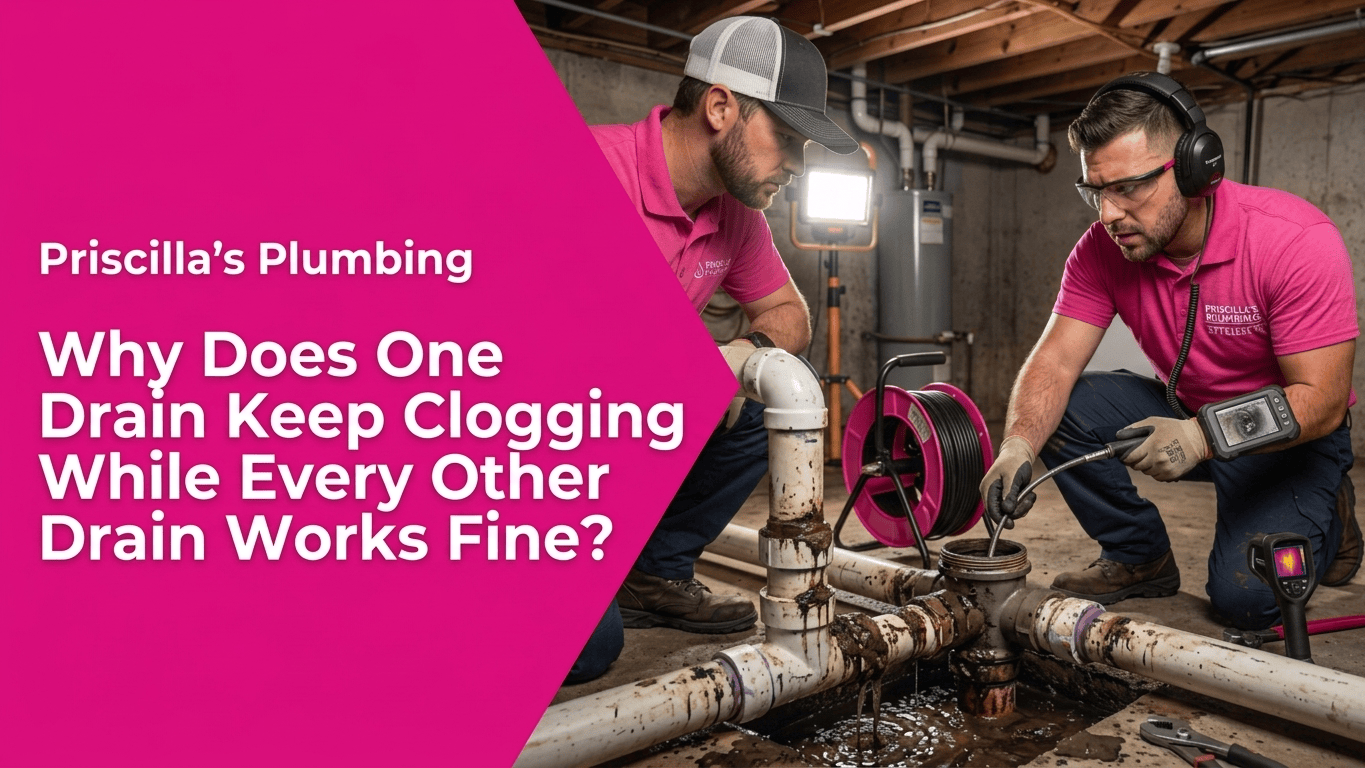
Water heaters are designed to operate quietly, so unusual sounds should never be ignored. Popping, rumbling, or banging noises usually result from sediment buildup at the bottom of the tank. Over time, hardened minerals interfere with the heating process, forcing the system to work harder and reducing efficiency.
- Minerals harden at the bottom of the tank.
- Heating elements strain to work through the buildup.
- Efficiency drops with every heating cycle.
Replacing the water heater element may offer temporary relief, but the underlying issue often remains.
Visible Leaks or Moisture
The area near your water heater is a persistent warning sign. The detection of minor leaks indicates the internal tank breaks and structural defects. The long-term solution for tank leaks is to replace the water heater. The probability of unexpected system failure and water damage increases as active leaks begin.
- Tank cracks allow water to escape.
- Leaks worsen without warning.
- Repairs are rarely safe or permanent.
Leaks commonly indicate the unit has reached the end of its lifespan.
Rising Energy Bills
The water heater operates at lower efficiency due to aging components thathave not shown any performance decline. However, the system requires additional power to heat water because its internal components have begun to deteriorate. Homeowners may only notice the problem when utility bills increase.
- The heating cycle times become longer.
- The system efficiency keeps decreasing.
- The monthly expenses show a continuous upward trend.
In most situations, replacing the unit costs less than repairing and maintaining it, given the high energy consumption required.
Conclusion
Do not attempt to fix water heater problems yourself. The initial effects, including inconsistent temperatures, strange noises, and rising energy bills, indicate a major internal problem. Furthermore, regular heater repair services will save you time and stress for all homeowners. Your decision to replace your water heater units at the right moment will ensure your continued comfort and efficiency while maintaining your financial objectives.
Homeowners should address system issues as soon as they see warning signs or when the system reaches its operational limits. If you are looking for the best company for water heater replacement, Priscilla’s Plumbing is top notch choice. Our team is experienced and takes every step to keep your home protected.
Call us to schedule service and prevent costly repairs.
Frequently Asked Questions (FAQs)
1. How do I know if I should repair or replace my water heater?
If your water heater is over 10 years old, leaking, producing rusty water, making unusual noises, or running inefficiently, replacement is usually more cost-effective than frequent repairs. Minor issues, like a faulty element, may be repaired temporarily, but aging tanks often need full replacement.
2. What is the average water heater replacement cost in Pompano Beach?
The cost varies by type (tank vs. tankless), size, and installation complexity. On average, replacing a traditional tank water heater ranges from $800 to $1,500, while tankless systems can cost $1,200 to $3,000. Labor, permits, and removal of the old unit may add to the total.
3. Can I replace the water heater element myself?
While replacing the element can temporarily restore performance, it requires shutting off water and power, draining the tank, and proper installation. DIY attempts risk leaks, electrical hazards, and further damage, so professional water heater repair or replacement is recommended.
4. Are tankless water heaters more durable than traditional tanks?
Tankless systems often last 15–20 years, longer than traditional tanks (8–12 years). They heat water on demand, which reduces standby energy loss, but they still require maintenance to prevent scale buildup and ensure consistent performance.
5. What are the warning signs of a failing water heater element?
Signs include inconsistent water temperature, longer heating times, reduced hot water flow, and popping or rumbling noises. Replacing the element can temporarily fix the issue, but persistent problems may indicate the tank itself is nearing the end of its life.