

Water leaks are one of the most common yet costly problems homeowners face. From cracked underground pipes to hidden indoor leaks behind walls, identifying and fixing leaks early can save thousands of dollars in damage, increased utility bills, and structural deterioration.
In this comprehensive guide, we answer the biggest question: Can I perform water leak detection services in my home? We’ll explore how professionals locate leaks, how homeowners can detect water leaking, what tools are used, including underground water leak detection equipment, and when it’s best to call a licensed expert.
Whether you’re noticing higher water bills, damp floors, or the mysterious sound of running water, this article is your step-by-step resource.
What Are Water Leak Detection Services?
Water leak detection services are specialized techniques used to detect water leaks hidden within your home’s plumbing system, whether inside walls, under floors, or in underground pipes. These services use advanced technology and professional methods to pinpoint leaks without unnecessary damage to your property.
Traditionally, leaks could go unnoticed until severe damage occurred. Modern services now rely on non‑invasive tools such as acoustic sensors, thermal imaging, and moisture meters to detect leaks quickly and accurately.
How to Find and Detect Water Leaks in Your Home?
Finding leaks early requires a mix of observation and tools. Here is a practical roadmap any homeowner can follow:
1. Monitor Your Water Meter
One of the easiest checks is to use your water meter. Turn off all fixtures and appliances that use water. If the meter keeps moving, you likely have a leak.
2. Watch for Signs of Moisture
Look for:
- Water stains on ceilings or walls
- Mold or mildew growth
- Soft or discolored flooring
- Unexplained damp patches
These signs often show leaks long before visible flooding happens.
3. Check Meter Readings Overnight
Take a reading before bedtime and another in the morning. A difference suggests continuous, unseen water flow, meaning a leak might be present.
4. Use Leak Detection Devices
Affordable sensors to detect water leaks can alert you when moisture is present, even before you see visible signs. These include small electronic units placed near appliances or at floor level.
Professional vs DIY Leak Detection
You might be wondering, Can I perform water leak detection services on my own? Yes, but with limitations.
DIY methods are useful for surface leaks and obvious issues. Advanced leaks, like those in underground lines, slab floors, or inside walls, typically require professional equipment and expertise.
Professional water leak detection companies use tools that most homeowners don’t have on hand, such as:
- Thermal cameras to see heat differences caused by moisture.
- Acoustic detectors that listen for sound frequency changes from leaks.
- Electronic correlators to pinpoint leaks deep in the ground.
- Moisture meters and infrared sensors to detect damp soil or materials.
How Do Plumbers Perform Water Leak Detection?
Licensed plumbers use a systematic approach to locate and diagnose leaks with minimal impact on your home.
Stage 1: Visual Inspection
This involves checking exposed pipes, faucets, toilets, and appliances for wetness, drips, or wear.
Stage 2: Acoustic Leak Detection
By placing sensitive microphones on pipes, plumbers can identify tiny hissing sounds from water escaping pressurized lines. Acoustic tools use the difference in sound transmission to locate the leakage spot.
Stage 3: Thermal Imaging
Infrared cameras can show temperature shifts caused by water movement behind walls, under slabs, or underground. This helps pinpoint the leak’s exact location without cutting into your home.
Stage 4: Pressure Testing
For hidden or underground lines, plumbers may isolate sections of pipe and test pressure changes to reveal where water is escaping.
Stage 5: Verification & Repair Plan
Once the leak is identified, professionals propose solutions from simple repairs to pipe replacements.
Explore reliable solutions and maintenance tips in our other resources, like the Best Way to Unclog a Toilet That Won’t Drain, for general plumbing care.
Tools Used in Water Leak Detection
Here’s a breakdown of common detection tools used by professionals:
| Tool Type | Purpose | Best Use Case |
| Acoustic Sensors | Detect sound changes from leaks | Underground or slab leaks |
| Thermal Imaging Camera | Shows temperature differences caused by water | Hidden wall or ceiling leaks |
| Electronic Leak Correlators | Calculates exact leak location | Large water network leaks |
| Moisture Meters | Detects elevated moisture levels | Basements, floors, walls |
| Water Line Camera Inspection | Visually inspect inside pipes | Blockages or crack detection |
Common Places Water Leaks Happen in Homes
Knowing where leaks occur helps determine the detection strategy. Typical locations include:
- Under kitchen sinks.
- Bathroom shower or tub areas.
- Laundry room appliances.
- Underground supply lines.
- Slab foundations.
- Exterior irrigation systems.
Leaks in these areas can go undetected for months leading to mold growth, flooring damage, structural rot, and skyrocketing water bills.
DIY Guide for Leaks and High Bills
If you’re just getting started how to detect water leaks, here’s a simple at‑home guide:
- Check your monthly water bill: A sudden spike often indicates a leak.
- Do a toilet leak test: Add a few drops of food coloring to the tank. If the color appears in the bowl without flushing, you have a leak.
- Inspect faucets and pipes visually: Even tiny drips matter.
- Use inexpensive leak detectors – These sensors can sit near appliances or under sinks.
- Listen near walls or floors: Unusual running sounds when no faucets are on are warning signs.
If these methods suggest a leak, using professional services ensures accurate location and safer repairs.
Advanced Underground Water Leak Detection Equipment
Underground leaks are some of the trickiest to locate without professional gear. Equipment used includes:
- Acoustic Water Leak Detectors: Listen for sound changes in underground pipes.
- Ground Penetrating Radar (GPR): Sends radio waves into soil and displays subsurface anomalies.
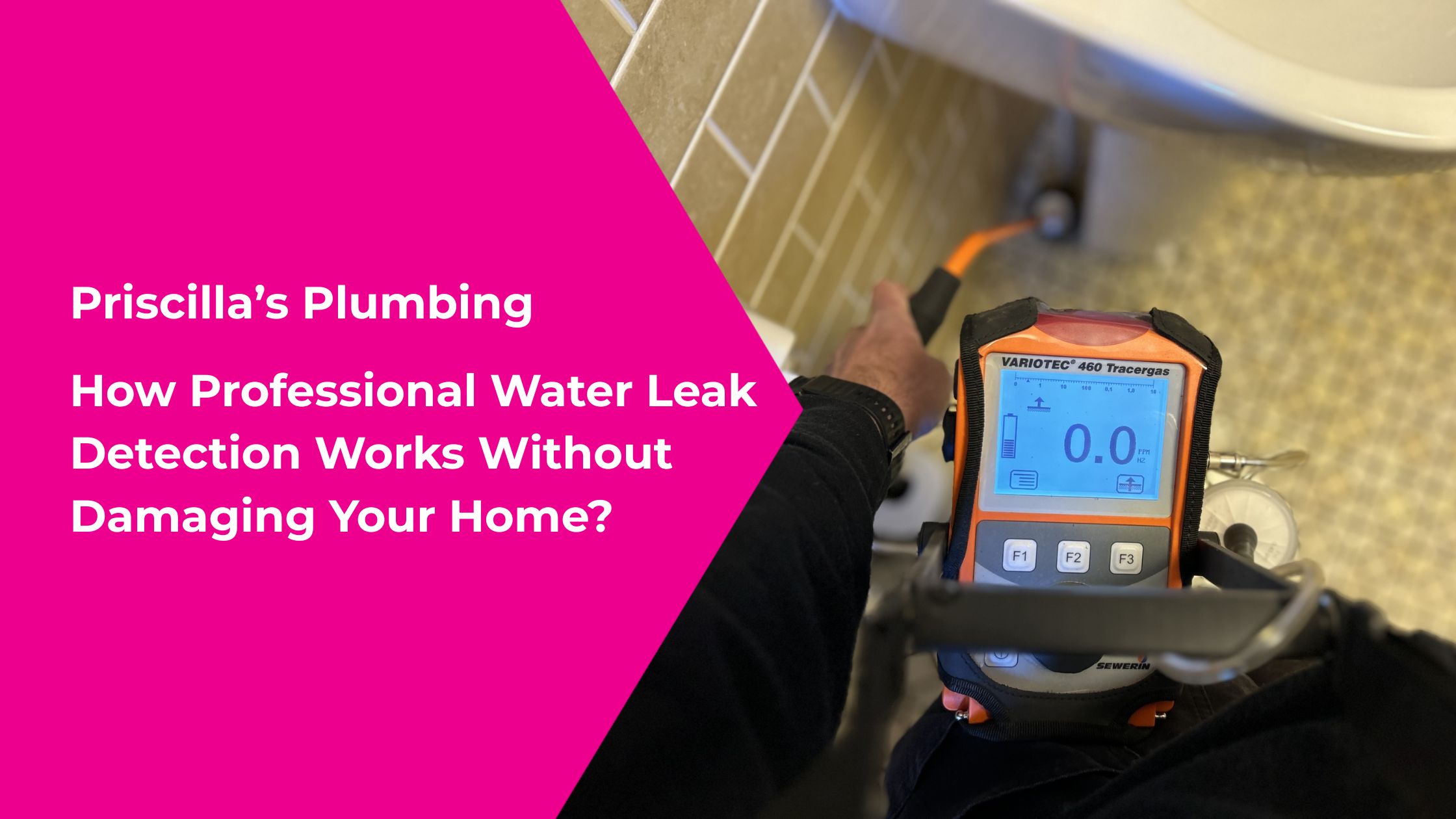
- Tracer gas systems: Introduce harmless gas into lines; detectors then locate where it escapes.
- Satellite‑based moisture mapping (for large systems such as municipalities)
These technologies minimize unnecessary excavation and provide accurate results, often before visible signs appear.
How Much Do Professional Leak Detection Services Cost?
While prices vary by region and leak complexity, basic indoor leak detection typically ranges from $150 to $400. More complex underground or slab detected leaks can cost $500 to $1,000+, depending on the tools required.
Warning Signs You Need Professional Help
Some indicators mean it’s time to call a professional:
- Constantly rising water bill with no apparent cause.
- Damp spots appearing without explanation.
- Cracks in foundation or walls.
- Pooling water in the yard.
- Low water pressure in showers or faucets.
When DIY Isn’t Enough: Professional Services Matter?
Attempting water leak detection on your own may solve surface problems, but hidden or complex leaks require trained eyes and specialized tools. Professionals can:
- Detect leaks without damaging your home.
- Provide accurate pinpoint locations.
- Prevent further structural issues.
- Offer repair recommendations.
Conclusion
Water leaks are stealthy threats that can quietly damage your property, elevate utility costs, and erode home value. While basic how to detect water leaks tips can help you identify obvious issues, advanced leaks, especially underground or hidden, require professional expertise.
Whether you’re dealing with weird sounds, unexplained moisture, or suspect a leak from a rising bill, comprehensive water leak detection services ensure accurate diagnosis and minimal property disruption.
Don’t wait for a small drip to become a major disaster. Contact us to connect with trusted professionals today.
Priscilla’s Plumbing: Your partner in safe, precise, and affordable water leak detection.
Frequently Asked Questions (FAQs)
1. How can I detect a water leak without tools?
You can monitor your water meter with no water use, check for unexplained damp spots, listen for running water sounds, and test toilets with dye kits. These early checks often indicate unseen leaks.
2. Do plumbers use sensors to detect water leaks?
Yes, professional plumbers use advanced sensors and acoustic devices to locate leaks both inside walls and underground.
3. How long does a professional water leak detection take?
Most professionals can locate a leak within 30 minutes to 2 hours, depending on complexity and access.
4. Can water leaks cause high utility bills?
Absolutely. Even small leaks can waste hundreds of gallons of water monthly, significantly increasing your water bill.
5. Are underground water leak detection equipment safe for homes?
Yes, modern detection tools are non‑invasive and designed to locate leaks without harming your property.