
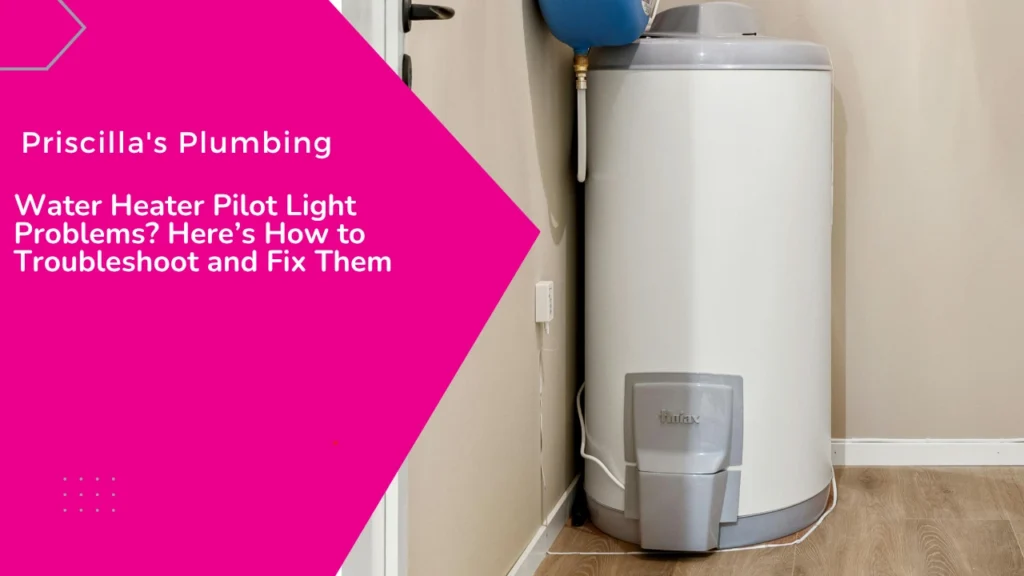
This guide explains what a water heater pilot light does, why it goes out, how to relight it safely, common causes of failure, and when to call a licensed South Florida plumber for professional repair.
It’s a familiar, annoying experience: You are ready to unwind with a nice shower after a busy day, but the water is unexpectedly freezing. The surprise of cold water can be especially irritating, since the water heater itself appears perfectly fine from the outside. This happens frequently to people, especially to homeowners in areas like South Florida. In most instances of unexplained cold water, the problem isn’t a major system failure but a tiny, yet essential component: the water heater pilot light.
What does a pilot light do on a water heater?
A water heater pilot light is a small blue flame that stays continuously lit to ignite the burner whenever your water heater needs to heat the tank. Without it, the burner cannot start, meaning no hot water.
This little blue flame keeps your water heater running smoothly. But if it goes out, the whole setup stops. At first, it might just feel like a small hassle. A bad or out pilot light often points to larger problems. Those who are wondering about the issue of “What does a pilot light do on a water heater?”. With a solution, you can save yourself some hassle, money, and those chilly showers by learning how your water heater’s pilot light works. Know what makes it fail and when to get a pro involved.
We cover all the basics in this guide. It explains, step by step, how the pilot light functions. That way, you keep your water heater dependable and your house nice and cozy.
What a Water Heater Pilot Light Is and Its Purpose?

If you ever looked inside the access panel down at the base of your gas water heater, you likely spotted that small, steady blue flame. That is the pilot light. It does not seem like a big deal. Still, that small flame keeps the entire water-heating system primed for action whenever you twist a faucet handle.
- The pilot light appears as a small, steady blue flame visible through the access panel at the bottom of your gas water heater. Even though it is tiny, it plays a major role in getting hot water to you.
- The pilot flame sits next to the thermocouple sensor and burner assembly, allowing the ignition system to activate instantly when the thermostat calls for heat.
- You could see it as the core of your heater’s ignition setup. It stays on all the time. That keeps it ready to heat water whenever needed. If the pilot goes out, the whole water heating system stops dead.
- In the humid air of South Florida, extra moisture can sometimes mess with the flame. It makes the flame unsteady or cools the thermocouple quicker. That leads the pilot to go out more often than usual.
- A good pilot light burns with a bright blue color and a steady, even flame. If it starts to flicker, shift to yellow, or sputter, that signals bad gas burning or airflow trouble. You need to address it soon.
Water Heater Ignition System Explained (Pilot vs. Electronic)
Water heaters use one of two ignition systems: a standing pilot flame or an electronic ignition module, and each works differently.
- The ignition system in your water heater kicks on the heating every time you want hot water. It controls how the gas flame gets started. Depending on how old your unit is or what type it is, it might use a standing pilot light or an electronic system.
- A standing pilot light setup is the old school way you find in lots of houses. It has that small blue flame burning nonstop. When the thermostat senses the tank water cooling, it tells the gas valve to release some fuel. The pilot light catches it right away. That heats the water back up to where it should be.
- On the other hand, an electronic ignition does not keep a flame going constantly. It uses a spark like from a plug on the surface. That only fires up when the thermostat says heat is needed. Once the water hits the right temperature, the ignition shuts down. This saves energy and reduces gas use.
- Both kinds work well enough. But they need different kinds of upkeep. For a pilot system, you have to clean and check it regularly to avoid soot buildup or the flame going out. Electronic ones rely on the sensors being spot on and the circuits holding up.
- In humid South Florida, corrosion, moisture, and rust on the burner chamber or ignition module can slow ignition, weaken flames, or cause the system to misfire.
- No matter if your water heater runs on a steady pilot or a fancier electronic starter, you keep it clean and dry with good airflow. That makes sure you get steady hot water and better energy savings. In this Water heater ignition system explained section we have covered all things that are necessary to look for.
How to Relight a Water Heater Pilot Light (Step-by-Step)

⚠️ Safety Note: Never relight a pilot if you smell gas, hear hissing, or feel unsure. Leave the area and call a licensed plumber immediately.
One top reason your water goes cold all of a sudden is the pilot light putting itself out. Getting it lit again is not too tough. But you need to take your time and stay safe about it. Before starting, keep in mind that if you smell any gas or do not feel sure, quit right there. Call a licensed plumber to handle it.
Here’s how you can safely relight your water heater pilot light:
1. Turn Off the Gas Supply
You start by turning off the gas supply. Find the gas control valve on your water heater. Turn it to the off spot. Wait at least 5 minutes. That lets any leftover gas clear out before you go further.
2. Remove the Access Panel
Next, take off the access panel. At the bottom of the heater, open or pull away the small metal cover. It shows the pilot light and the burner part.
3. Locate the Pilot Control Knob and Reset Button
Then find the pilot control knob and the reset button. On most gas water heaters, there is a knob with marks for pilot, on, and off. Some have a red reset or igniter button close.
4. Turn the Knob to “Pilot” and Hold It Down
Turn the knob to pilot and press it down. That lets gas head to the pilot. While you hold it, grab a long lighter or the built-in igniter to start the flame. After the flame appears, keep holding the knob for about 30 to 60 seconds.
5. Release the Knob and Check the Flame
The pilot light should stay lit once you release the button. If it goes out again, repeat once or twice; if it still won’t stay on, you might have a faulty thermocouple or gas valve.
6. Replace the Access Panel and Turn Gas to “On”
Let go of the knob and watch the flame. The pilot light ought to keep burning once you release it. If it dies again, try the process once or twice more. And if it still will not stay lit, the thermocouple or gas valve could be bad.
If the pilot flame is weak, yellow, or unstable, schedule a same-day inspection with Priscilla’s Plumbing to prevent gas safety risks.
Common Reasons the Pilot Light Won’t Stay Lit
Quick Causes:
• Faulty thermocouple
• Clogged pilot tube
• Drafts or poor ventilation
• Low gas pressure
• Moisture or rust inside burner chamber
When a pilot light keeps going out, it’s usually your water heater’s way of signaling that something deeper needs attention. Understanding why this happens helps you decide whether it’s a simple fix or a job for a professional plumber.
1. A Faulty Thermocouple
The thermocouple is a small safety device that senses the pilot flame. If it no longer detects heat, it automatically shuts off the gas supply to prevent leaks. Over time, dust, corrosion, or moisture can interfere with its sensor, making it think the flame has gone out even when it hasn’t. Cleaning it carefully or replacing it often restores normal operation.
2. A Dirty or Clogged Pilot Tube
Dust and debris can partially block the gas flow through the pilot tube. A weak or uneven gas stream produces a flickering flame that struggles to stay lit. Light cleaning with compressed air or a soft brush can help, but if buildup keeps returning, the line may need professional service.
3. Drafts or Poor Ventilation
Sudden gusts from nearby windows, air vents, or exhaust fans can blow out the flame. In South Florida, homes with humid air and ventilation fans often create uneven airflow, making older pilot systems more sensitive. Keeping the heater area draft-free and well-ventilated helps maintain stability.
4. Gas Supply Issues
Low gas pressure or a faulty gas control valve can cause the flame to die out after ignition. If you notice other gas appliances flickering or failing, contact your utility provider or plumber immediately.
5. Excess Moisture and Corrosion
In humid climates, condensation can form inside the burner chamber, rusting components and affecting flame quality. Routine inspections prevent corrosion from spreading to critical parts.
If your pilot light continues to go out even after cleaning or relighting, it’s time to call Priscilla’s Plumbing for a full water heater repair. Quick attention now prevents costlier replacements later.
Signs of a Faulty Thermocouple

If your water heater pilot light won’t stay lit no matter how many times you relight it, there’s a good chance the thermocouple is to blame. This small but vital part serves as the safety checkpoint for your water heater, ensuring that gas flows only when the pilot flame is burning. When it fails, the system simply shuts down to prevent potential gas leaks, keeping you safe but also leaving you without hot water.
Here’s how to tell if your thermocouple might be failing:
1. Pilot Light Won’t Stay Lit
The clearest sign is a pilot light that ignites but immediately goes out when you release the control knob. This usually means the thermocouple isn’t detecting enough heat to keep the gas valve open.
2. The Flame Looks Weak or Unsteady
A strong thermocouple needs a solid blue flame touching its tip. If the flame is yellow, flickering, or barely reaches it, your sensor may not be getting the heat it needs or the thermocouple itself could be misaligned.
3. The Tip Looks Dirty or Burnt
Over time, soot and oxidation can coat the thermocouple tip, blocking its ability to sense heat. If it looks blackened, bent, or corroded, cleaning or replacement is necessary.
4. The Water Heater Keeps Shutting Off Randomly
Even if your pilot light stays lit temporarily, an aging thermocouple can send weak signals, causing the gas flow to shut off mid-cycle.
5. You Smell Gas or Notice Unusual Clicking
These are red flags. Never attempt to relight repeatedly if you smell gas. Shut everything off and call a licensed plumber immediately.
If you suspect a faulty thermocouple, avoid DIY replacements unless you’re experienced with gas systems. Call Priscilla’s Plumbing, trusted water heater repair experts in South Florida, for safe inspection and professional repair.
How To Know if Your Pilot Light is Working?
When you glance at your water heater’s pilot light, the color of that small flame can reveal a lot about your system’s health. Flame color analysis is a key part of water heater troubleshooting and helps identify combustion issues quickly. A properly burning pilot light doesn’t just heat your water; it also indicates that gas is burning efficiently and safely. Paying attention to flame color can help you catch issues before they become serious.
Here’s how to know if your pilot light is working and what each flame color can tell you:
1. Bright Blue Flame: The Ideal Burn
A steady blue flame means your water heater is operating efficiently. The gas is burning cleanly, and your thermocouple is correctly sensing heat. This is the color you want to see strong, quiet, and consistent without flickering.
2. Yellow or Orange Flame: Poor Combustion
A yellow or orange flame usually means there’s too much air or not enough gas reaching the burner. This can result from dirt buildup in the pilot tube, incorrect gas pressure, or limited oxygen flow. It may also produce soot, which can damage internal components over time.
3. Red or Flickering Flame: Contaminated or Unstable Burn
A red, weak, or flickering flame signals trouble. It might indicate dust, rust particles, or moisture interfering with combustion. In humid South Florida homes, condensation or corrosion can cause this problem more often.
4. No Flame at All: Ignition or Gas Flow Issue
If there’s no visible flame, the pilot light has gone out entirely. It could be due to a blocked line, a faulty thermocouple, or gas valve failure.
When your flame isn’t clear blue, it’s best to have a licensed plumber inspect the system. Priscilla’s Plumbing provides same-day water heater repair in South Florida, ensuring your system burns clean, safe, and efficiently.
When to Troubleshoot vs. When to Call a Plumber
Safe to Troubleshoot: draft-out flame, clean burner, simple relight.
Call a Plumber: gas smell, repeated flame failure, discolored flame, moisture damage, faulty thermocouple.
Not every pilot light issue requires an emergency call, but knowing when to handle it yourself and when to bring in a professional can save you time, stress, and money. While some problems are simple fixes, others may indicate underlying gas or electrical risks that only a certified plumber should address.
Here’s how to tell the difference:
-
Safe to Troubleshoot Yourself
- You can safely try minor checks or fixes if:
- The pilot light simply went out due to a draft.
- You’re following the manufacturer’s instructions for relighting the pilot.
- There’s no smell of gas, and the system looks clean.
- The pilot flame stays lit after relighting, and the burner ignites normally.
Always wear protective gloves and ensure good ventilation while working.
-
Time to Call a Licensed Plumber
- You should reach out to a professional if:
- The pilot light keeps going out repeatedly, even after cleaning or relighting.
- You notice flame discoloration (yellow, orange, or red).
- The thermocouple looks corroded or burnt.
- You smell gas or hear a hissing sound near the heater.
- The pilot flame won’t stay lit more than a few seconds.
These are signs of deeper problems, such as a faulty gas valve, a blocked burner, or moisture damage common in South Florida’s humid climate.
When To Call a Plumber for Pilot Light Issues?
A plumber can accurately diagnose gas pressure levels, test electrical sensors, and safely clean or replace parts. With modern water heaters that use sensitive components, a DIY mistake could cause more damage or void your warranty.
If your pilot light problems persist, it’s safest to know when to call a plumber for pilot light issues. To schedule same-day service, contact Priscilla’s Plumbing, your trusted water heater repair experts in South Florida. Professional repairs keep your system efficient and your home safe year-round.
Conclusion
Dealing with a water heater pilot light problem can be frustrating, especially when all you want is a steady stream of hot water. The good news? Most issues are easy to spot and even easier to fix when you understand how your pilot system works. From a simple relight to identifying a faulty thermocouple, taking small, informed steps can help you avoid cold showers, wasted energy, and unexpected repair bills.
In South Florida, where humidity can make gas components more prone to wear, regular inspections are especially important. Keeping your water heater serviced doesn’t just ensure reliable hot water; it also protects your home and extends your unit’s lifespan.
Priscilla’s Plumbing is licensed, insured, and trusted by homeowners in the areas across, Pompano, Oakland Park, Fort Lauderdale, Broward County, and the greater South Florida region. Call Priscilla’s Plumbing today at 954-787-2052. Our licensed plumbers will inspect, diagnose, and safely restore your water heater. So you can enjoy the comfort of hot water, worry-free.
FAQs
Q1. Why does my water heater pilot light keep going out?
Your water heater pilot light may keep going out due to a faulty thermocouple, clogged pilot tube, drafts, low gas pressure, or moisture buildup inside the burner chamber. In South Florida, humidity often accelerates corrosion, which weakens the flame and causes repeated outages.
Q2. Is it safe to relight a water heater pilot light myself?
Yes—it’s safe to relight the pilot light as long as you do NOT smell gas and follow the manufacturer’s instructions. If the flame won’t stay lit after two attempts, or you notice hissing or discoloration, stop immediately and call a licensed plumber.
Q3. What does a properly working pilot light flame look like?
A healthy pilot light should burn as a steady, bright blue flame that directly touches the thermocouple. A yellow, orange, weak, or flickering flame indicates poor combustion, dust buildup, or gas flow issues.
Q4. How do I know if my thermocouple is bad?
A failing thermocouple causes the pilot light to go out as soon as you release the control knob. You may also notice a weak flame, a burnt or dirty thermocouple tip, or the water heater shutting off at random. Professional testing ensures safe diagnosis.
Q5. When should I call a plumber for water heater pilot light problems?
Call a plumber if your pilot light repeatedly goes out, shows flame discoloration, smells like gas, or won’t relight after safe troubleshooting. Priscilla’s Plumbing offers same-day water heater repair across South Florida to restore reliable hot water.