
Plumbing is a critical part of every home, office, and commercial space. Whether you’re a professional plumber or a DIY enthusiast, using the best plumbing tools is essential to completing plumbing jobs efficiently and effectively. In this guide, we’ll explore the best plumbing tools for 2026, discussing their uses, benefits, and top picks that every plumber should have in their toolkit.
The Importance of Quality Plumbing Tools
When it comes to plumbing work, using the right tools can make a significant difference in the quality and efficiency of your work. The best plumbing tools help reduce mistakes, save time, and ensure that you can complete plumbing tasks safely and effectively. With so many plumbing jobs requiring precision and skill, having high-quality plumbing tools is essential for professionals and DIYers alike.
By investing in quality tools, you’ll not only complete jobs faster but also avoid causing damage to pipes, fixtures, or your surroundings. Let’s dive into the top plumbing tools that should be in every plumber’s toolbox in 2026.
Top Plumbing Tools Every Plumber Should Have in 2026
From pipe wrenches to drain cleaning solutions, here are some of the essential plumbing tools every professional plumber needs.
1. Pipe Wrench
A pipe wrench is an indispensable tool in any plumber’s toolkit. Designed for gripping and turning pipes, the pipe wrench is ideal for loosening or tightening metal pipes, especially in tight spaces.
Key Features:
- Adjustable jaw size to fit different pipe diameters.
- Strong grip to handle tough plumbing jobs.
- Ideal for use with round-shaped pipes.
2. Plumber’s Snake
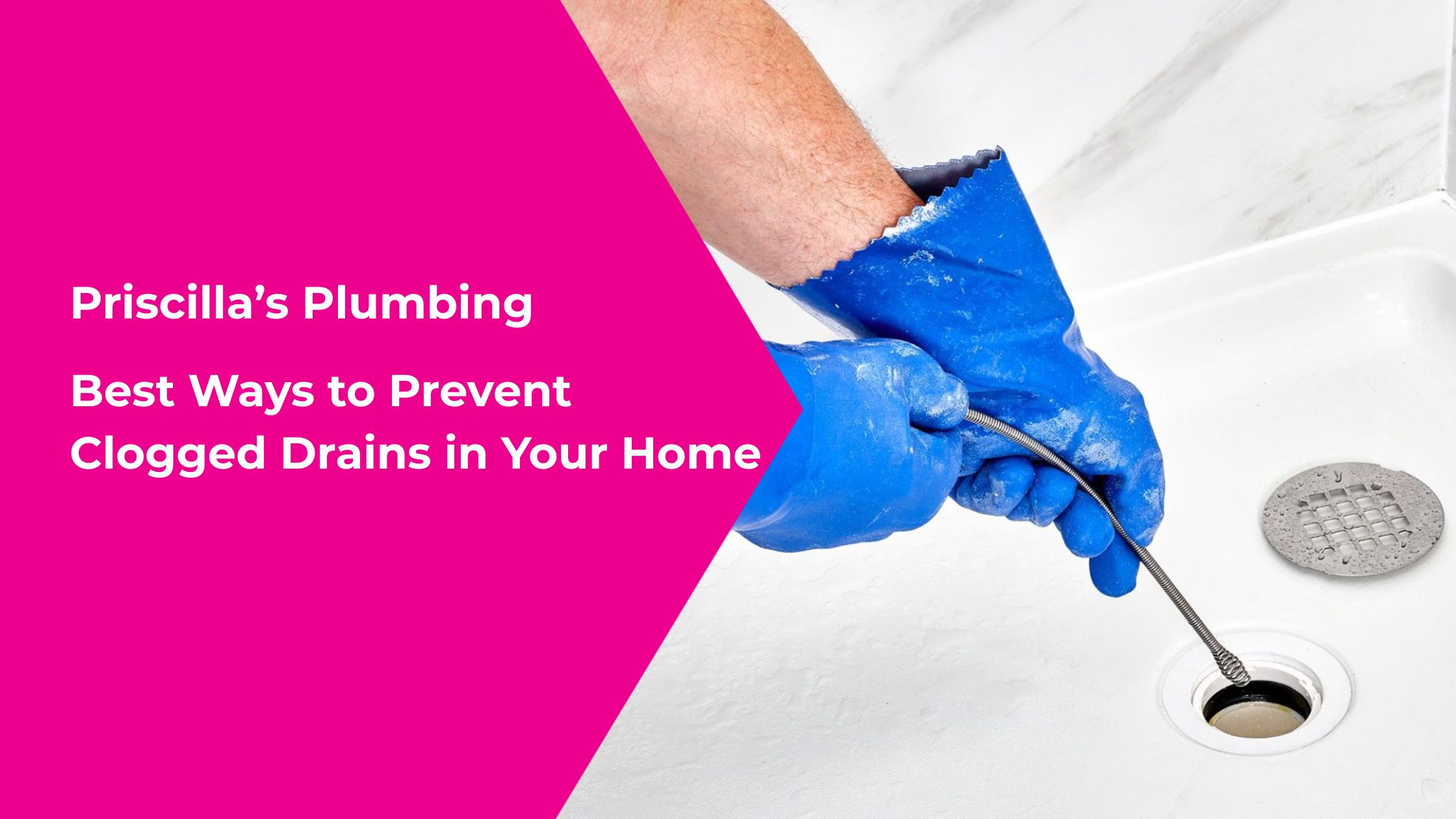
If you’re dealing with a clogged drain or pipe, a plumber’s snake is your best friend. Also known as a drain auger, this tool helps you break through tough clogs and clear blockages quickly and efficiently.
Key Features:
- Flexible coil that reaches deep into pipes.
- Manual and powered options available.
- Perfect for clearing kitchen sink clogs, bathroom drains, and main sewer lines.
3. Channel Lock Pliers
Channel lock pliers are versatile tools that can adjust to different sizes and are essential for tasks like tightening nuts and bolts, gripping pipes, and working with various fasteners.
Key Features:
- Adjustable jaw size.
- Non-slip handle for a secure grip.
- Perfect for plumbing work in tight spaces.
4. Basin Wrench
A basin wrench is a specialty tool designed for tightening or loosening nuts and bolts under sinks, making it indispensable for any plumber working in confined spaces.
Key Features:
- Long handle for accessing tight spaces.
- Adjustable jaws to fit various nut sizes.
- Ideal for faucet installations and repairs.
5. Pipe Cutter
For cutting through pipes with precision, a pipe cutter is essential. This tool ensures clean, burr-free cuts, making it easier to connect new pipes or remove damaged sections.
Key Features:
- Designed for cutting through copper, PVC, and steel pipes.
- Adjustable to handle different pipe sizes.
- Provides a clean, straight cut for accurate installation.
Plumbing Tools and Their Uses
Every plumbing tool serves a specific purpose, and using the right one for the job will make your work easier and more effective. Below, we’ll explain the primary uses for each tool in your plumbing kit.
Pipe Wrench – Best for Tightening and Loosening Pipes
The pipe wrench is designed to grip and turn pipes, especially those that are rusted or tightly secured. Its adjustable jaws make it suitable for pipes of various sizes.
Plumber’s Snake – Essential for Unclogging Drains
A plumber’s snake is a go-to tool for tackling stubborn clogs. The flexible coil can navigate around bends in the plumbing system, helping you clear blockages without causing damage.
Channel Lock Pliers – Perfect for Fastening and Gripping
Channel lock pliers are one of the most versatile tools in a plumber’s toolbox. They can be used to loosen nuts, tighten fittings, and even grip pipes in tight spaces.
Basin Wrench – Ideal for Tight Spaces
The basin wrench is specifically designed to help plumbers work in tight spaces, such as under sinks. Its long handle and adjustable jaws make it the perfect tool for faucet and sink repairs.
Pipe Cutter – Essential for Cutting Pipes Cleanly
A pipe cutter ensures clean, straight cuts, which are crucial for connecting new pipes or repairing existing ones. It is especially useful for cutting through copper, PVC, or steel pipes with ease.
Plumbing Tools for Specialised Jobs
For more advanced plumbing tasks, specialized tools are required. These tools help professional plumbers perform complex tasks like leak detection and pipe installation.
Digital Pipe Locator
A digital pipe locator uses advanced technology to detect pipes underground. This tool is a game-changer for plumbers working on projects that involve finding pipes without digging or causing damage.
Video Inspection Equipment
Video inspection equipment is used to visually inspect the inside of pipes. It’s perfect for identifying blockages, cracks, or other issues that may not be visible from the outside.
Cordless Power Tools
Cordless power tools such as drills and saws have become indispensable for plumbers. They provide more mobility and reduce physical strain, allowing plumbers to complete jobs faster.
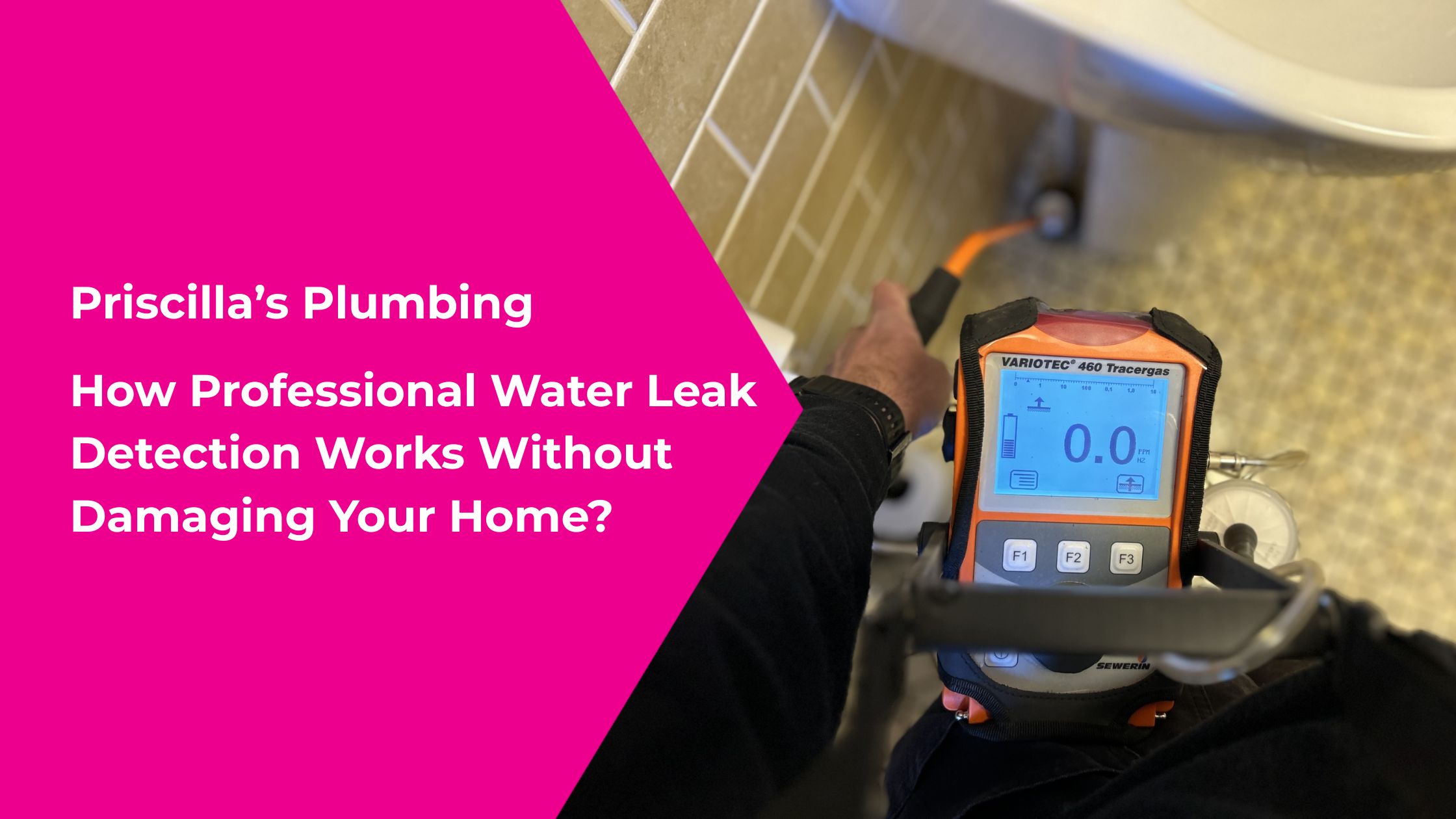
If you’re also concerned about detecting leaks without causing damage, check out our guide on Water Leak Detection Without Damage for expert tips and solutions.
Best Plumbing Tools and Their Features
| Plumbing Tool | Primary Use | Key Features | Price Range |
|---|---|---|---|
| Pipe Wrench | Tightening and loosening pipes | Adjustable jaw, strong grip, ideal for round pipes | $15 – $60 |
| Plumber’s Snake | Unclogging drains and pipes | Flexible coil, manual and powered options | $20 – $120 |
| Channel Lock Pliers | Gripping pipes and fasteners | Adjustable jaw size, non-slip handle | $10 – $30 |
| Basin Wrench | Tightening nuts and bolts under sinks | Long handle for tight spaces, adjustable jaws | $12 – $45 |
| Pipe Cutter | Cutting pipes cleanly and accurately | Clean, burr-free cuts, adjustable for different sizes | $10 – $50 |
Plumbing Tools for DIY Projects
Not everyone needs a full professional set of plumbing tools. If you’re handling basic plumbing repairs around the house, these tools are ideal for DIY plumbers.
Must-Have Plumbing Tools for Home Repairs
If you’re looking to tackle simple plumbing jobs, having these tools in your home toolkit will make the process easier and more efficient:
- Pipe Wrench.
- Plumber’s Snake.
- Adjustable Pliers.
- Pipe Cutter.
Conclusion
When it comes to plumbing, using the best plumbing tools is essential for getting the job done right. Whether you’re a professional plumber or tackling a DIY project, having the right tools can make a significant difference. From pipe wrenches to plumber’s snakes, each tool plays a vital role in ensuring that your plumbing system works efficiently.
At Priscilla’s Plumbing, we offer expert plumbing services and can help you with any plumbing need you may have. Whether you need to detect a leak or install new plumbing systems, trust us to get the job done right. Contact us today for professional and reliable plumbing services.
Frequently Asked Questions (FAQs)
1. What are the best plumbing tools for beginners?
For beginners, the best tools include a pipe wrench, adjustable pliers, a plumber’s snake, and a pipe cutter. These basic tools are sufficient for handling most common plumbing issues.
2. How do I know which plumbing tool to use for a job?
Choosing the right tool depends on the type of plumbing task you are working on. For instance, use a pipe wrench for tightening pipes and a plumber’s snake for clearing clogs.
3. Can I perform plumbing repairs without professional tools?
Yes, minor repairs can be done with basic tools like pliers and a pipe wrench. However, for complex jobs, it’s recommended to consult a professional plumber.
4. Are there plumbing tools that can help prevent leaks?
Yes, leak detection tools can help identify leaks early, and pipe sealants can prevent leaks in joints and connections.
5. How do I maintain my plumbing tools?
Regularly clean your tools after each use, store them in a dry place, and inspect them periodically for wear and tear.