
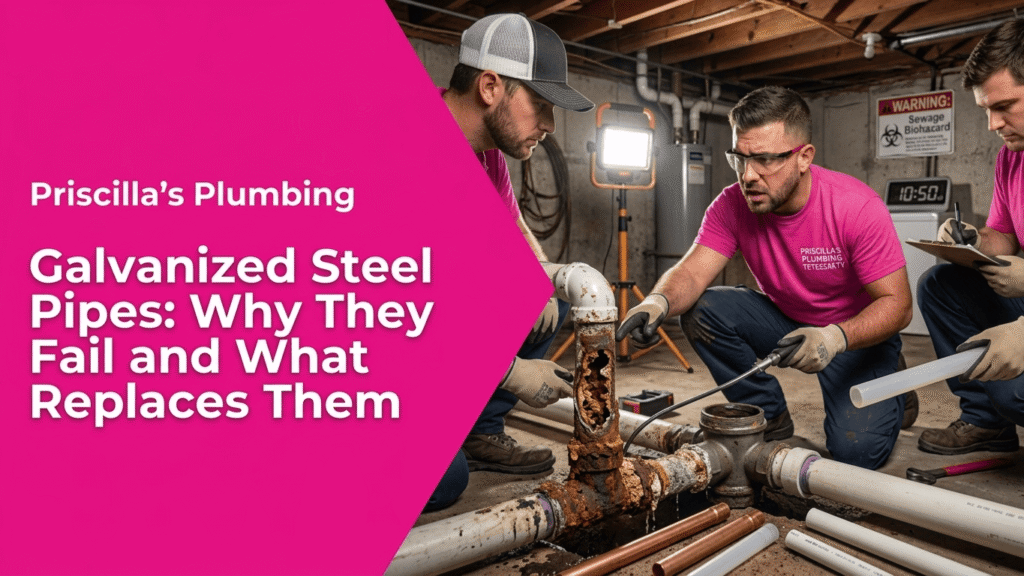
Water flowing from your tap should always look clean and clear. Many older South Florida home plumbing problems stem from hidden metal pipes hiding inside your walls. Built decades ago, these metal lines slowly rot from the inside out.
They start to choke your water supply and leak beneath your floors without warning. Once you spot the signs for galvanized pipe replacement, act fast. Delaying even a few days makes the problem grow much worse. A small clog turns into a full pipe replacement the longer it sits.
But where to start? Here is the process that actually works. It gets your plumbing back on track step by step.
Four Main Reasons Why Galvanized Pipes Fail
Builders used galvanized steel pipes in almost every home built before 1960. Manufacturers dipped raw iron pipes into melted zinc to build a protective shield. This outer coating stops water from touching the metal directly.
Galvanized steel pipes fail because this protective zinc coating wears down over time, exposing the raw steel to water and causing internal rust buildup that restricts flow and leaks. These older Fort Lauderdale home plumbing problems are evident now, calling for repiping.
But why do galvanized pipes fail? Here are the top four distinct actions that break down these metal lines over time.
Zinc Depletion
The inner zinc layer slowly erodes after 40 to 50 years of water exposure. Constant water movement rubs the soft coating off the pipe walls. Once the zinc disappears, raw steel meets water every single day.
Rust Accumulation
Exposed steel creates iron oxide that builds up like plaque, narrowing the pipe diameter. This heavy crust traps small minerals moving through your supply lines. Moreover, reduced water flow and corrosion reflect how much water reaches your sinks, tubs, and toilets.
Galvanic Corrosion
Connecting old steel to newer metals like copper speeds up decay. Combining two different metals creates a small electrical reaction in water. This process destroys the softer metal quickly right where the pipes connect.
Water Contamination
Trapped sediment can discolor water and leach dangerous lead into drinking supplies. Older galvanized pipes often feature lead threads at the joint connections. As rust expands, it releases trapped lead and iron flakes right into your home tap water.
Once you spot the signs you need repiping, act fast. A delay or wrong decision can completely sabotage the water supply and quality in your place, putting the health of your loved ones in danger.
Modern Materials Used for Galvanized Pipe Replacement
Old, rusted water pipes limit your daily comfort and ruin your water quality. Replacing bad plumbing restores strong pressure and clean water to your entire property. Plumbers rely on three modern materials to replace failing metal lines.
Copper
Copper is a traditional, highly durable metal option that lasts decades, though it costs more. It holds up extremely well against hot water and resists bacterial growth naturally. Copper provides a rigid, strong pipe structure for long-term home protection.
PEX (Cross-Linked Polyethylene)
PEX is the most popular modern choice because it is flexible, cheap, and easy to install. A galvanized-to-PEX conversion requires fewer wall cuts during installation. PEX resists scale buildup, handles freezing temperatures, and never rusts.
PVC and CPVC
PVC or CPVC pipes are rigid plastic options often used for specific supply or main lines. CPVC handles high water temperatures safely without melting. It offers an affordable option that never corrodes or rusts from hard water.
Comparing Pipe Replacement Options
Still have questions about all these materials? Here is a quick summary so you can make a better decision about replacing discolored tap water pipes without fail. This way, you can choose pipes that last for an eternity.
| Pipe Material | Expected Lifespan | Main Advantage | Best Use Case |
| Galvanized Steel | 40 to 50 Years | Very Strong Metal | Old Historic Homes |
| PEX Tubing | 50+ Years | Highly Flexible | Full Home Repiping |
| Copper Pipes | 50+ Years | Long Durability | Main Supply Lines |
| CPVC Plastic | 50 Years | Low Total Cost | Interior Water Lines |
Ready for Water You Can Trust Again?
One of the most robust, sturdy pipe materials, galvanized pipe can now ruin the entire plumbing system of your home. When you run out of ideas for repair, the last solution is galvanized pipe replacement with a modern, much lighter material. Choose any material you like, but always call a trusted company for replacement so you can enjoy healthy home lines for a long time.
At Priscilla’s Plumbing, as a locally owned and female-led business, we treat your property with complete respect. We personally answer our phones 24 hours a day with real people ready to help you. Our skilled technicians specialize in professional repipe services that restore clean water and strong pressure to your home. We offer upfront pricing, pocket-savvy solutions, and exceptional communication from start to finish.
Call us right now at (954) 982-6244 or visit us online to schedule your service today.
Frequently Asked Questions
How long do galvanized steel pipes usually last?
Galvanized steel pipes last between 40 and 50 years. Most homes built before 1960 contain pipes that have reached the end of their safe lifespan.
Can I replace small sections of galvanized pipe with copper?
Connecting copper directly to galvanized steel causes fast galvanic corrosion. Plumbers must use special brass fittings between these two metals to prevent rapid rusting.
Why is my water brown when I turn on the tap after vacation?
Standing water sits inside old, rusted water pipes while you stay away. The iron flakes settle in the stagnant water and wash out all at once when you open the faucet.
Is PEX pipe safe for drinking water?
Yes. PEX meets strict health standards across the nation. It does not leach rust, iron, or lead into your drinking water supply over time.