
If you are struggling in your daily routine while taking a relaxing shower. But cold water greets you instead. Before assuming your water heater is broken, check the most common culprit and the pilot light. This small flame ignites the gas burner that heats your water. If it goes out, your system simply won’t produce hot water. The good news is, you can usually fix it yourself once you know How to relight a water heater pilot light safely. This guide will walk you through the correct steps, highlight important safety measures, and explain when to call a licensed plumber.
The good news is, you can usually fix it yourself once you know how to relight a water heater pilot light safely. This guide will walk you through the correct steps, highlight important safety measures, and explain when to call a licensed plumber.
Quick Summary: This guide shows you how to relight a water heater pilot light safely, with step-by-step instructions, key safety tips, and advice on when to call a licensed plumber. Learn how to restart your gas water heater efficiently and avoid common issues.
What is a Pilot Light and Why Does it Go Out?
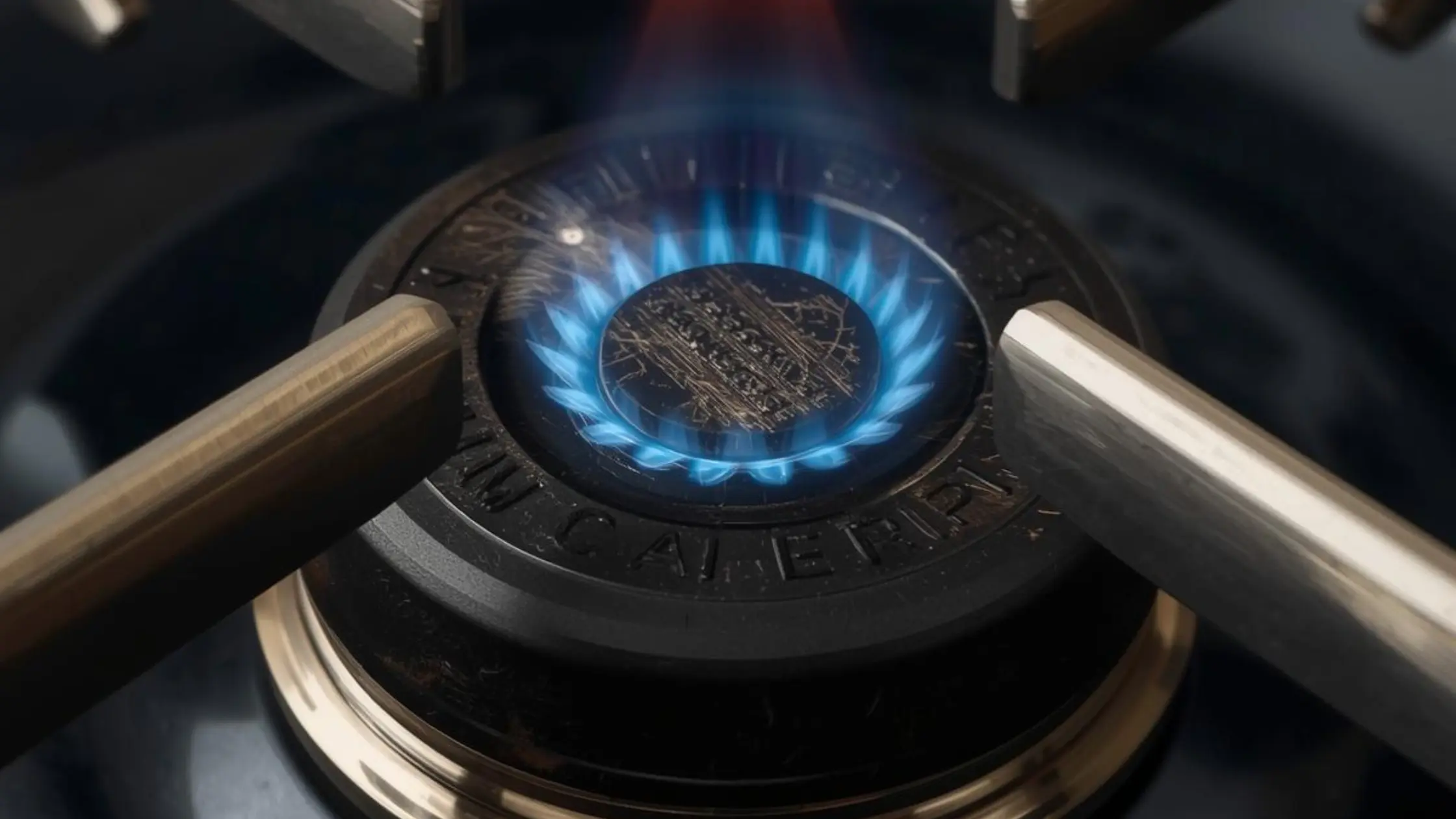
The pilot light serves as the main ignition for your gas water heater. It works by having the thermostat detect when the water cools down. Then it tells the gas valve to let out some fuel. The pilot flame catches that and lights it up. This whole process keeps the water warm until you need it from the tap..
Things get tricky if that little flame dies out. The ignition setup just won’t work without it. That leads to no heat at all and cold water coming out. Drafts often knock out the pilot light. A dirty burner can do it too. Or maybe a thermocouple that’s not strong enough. Places with high humidity, such as South Florida, make it worse, as moisture and rust build up.
Safety Precautions Before Relighting Your Water Heater
Safety comes first when working with gas appliances. Stop immediately if you:
-
Smell gas
-
Hear hissing near the heater
Stop right away if you smell gas or hear any hissing noise. Call in a professional plumber at that point. Working with gas appliances requires patience and care. Going through these steps will give you a solution for how to relight a water heater pilot light and restart the water heater without much risk of leaks or fire dangers.
Still, if you want the actual steps to light a water heater pilot, here is the checklist. It covers everything you need:
- First, turn off the Gas. For this, locate the gas control valve on your heater and switch it to the “OFF” position. Wait at least 5 minutes for any gas to clear.
- Then make sure the area is ventilated. Open nearby doors or windows to allow fresh air circulation. Avoid lighting matches or using electrical switches during this time.
- Now look for gas odors. If you detect even a faint smell of gas, do not proceed. Leave the area and call your gas provider.
- Then gather essential tools. For this, you will need a flashlight and a long lighter. For newer units, an igniter button may replace the lighter.
Sometimes, even if you understand relighting the pilot, it’s better to hold off. Get a plumber right away in these cases. You smell gas or hear hissing close to the heater. The flame keeps going out even after you try a few times. Moisture, rust, or soot shows up around the burner. The pilot flame appears yellow, orange, or flickers a lot instead of staying blue. You have relit it several times already in just a short while.
Step-by-Step: How to Relight a Water Heater Pilot Light?

Carefully follow these steps for relighting a gas water heater instructions:
- Find the Pilot Assembly and Controls: Look near the bottom of your water heater for a small metal panel. Behind it, you’ll find the burner, pilot tube, and a control knob labeled “Pilot,” “On,” and “Off.”
- Set the Control to “Pilot”: Turn the knob to the “Pilot” position. This setting allows gas to flow only to the pilot flame, not the main burner.
- Press and Hold the Pilot Button: Press and hold the control knob or pilot button to start the gas flow. Keep holding it down during the lighting process.
- Light the Pilot Flame: Use your long lighter or built-in igniter to ignite the flame. Hold the flame close to the pilot opening while pressing the button. You should see a steady blue flame appear. This is the key to lighting the pilot on a hot water heater correctly.
- Keep Holding for 30–60 Seconds: Continue pressing the button for up to one minute after ignition. This allows the thermocouple to warm up and signal the gas valve that it’s safe to stay open.
- Release and Observe the Flame: Slowly release the button. The pilot light should remain steady. If it goes out immediately, repeat the process. If it still won’t stay lit, the thermocouple or gas valve may need professional attention.
- Turn Gas to “On”: After confirming a steady flame, rotate the knob to “On.” You should hear the burner ignite, signaling your water heater is heating again.
- Replace the Access Panel: Once the flame stays lit, replace the panel. This shields the flame from drafts and keeps the combustion area clean.
If you’re not confident performing these steps, or if your flame looks weak, it’s best to stop and call a certified plumber for an inspection.
When It’s Unsafe to Proceed?
Even if you know how to turn a pilot light back on, there are times when stopping is the safest choice. Call a plumber immediately if:
- You smell gas or hear hissing near the heater.
- The flame won’t stay lit after several attempts.
- You notice moisture, rust, or soot around the burner.
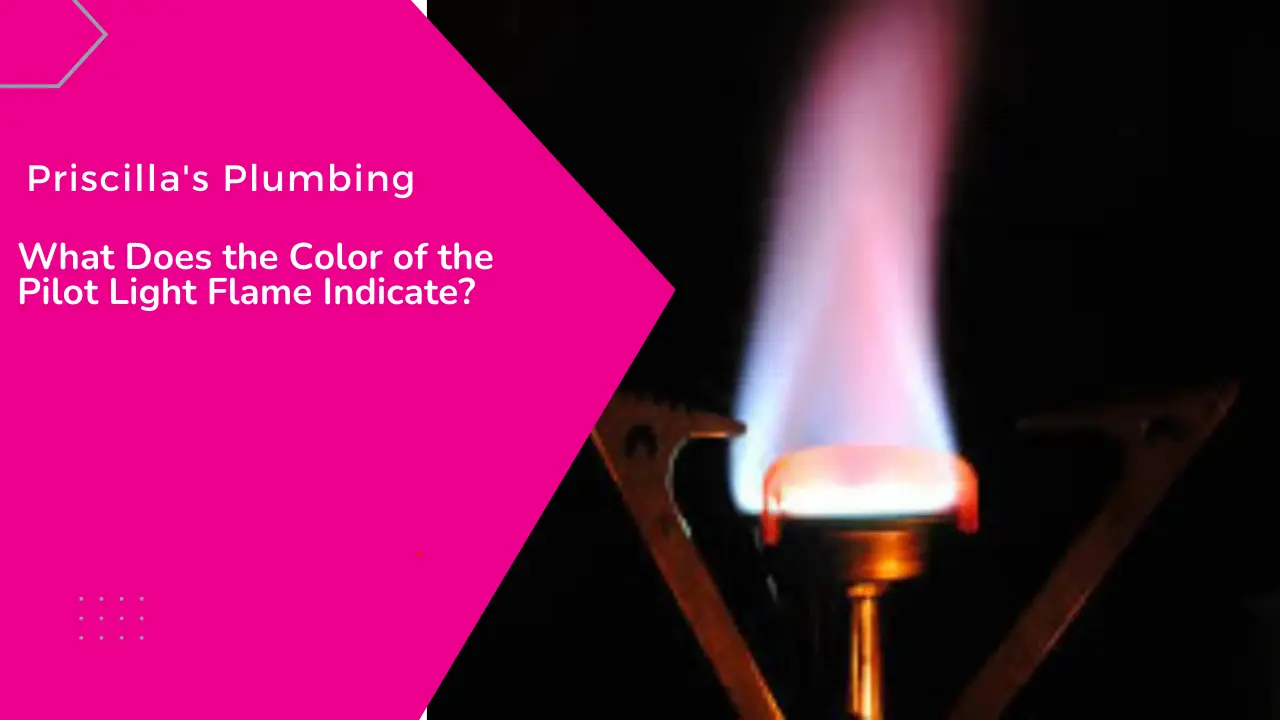
- The pilot flame looks yellow, orange, or flickering instead of blue.
- You’ve already relit the pilot multiple times in a short period.
In humid areas like South Florida, corrosion can cause ignition instability. Attempting repairs without proper tools may worsen damage or create gas hazards.
How to Restart a Water Heater Safely?
If you’ve successfully relit the pilot, ensure the following:
- The pilot flame burns a steady blue without flickering.
- The control knob is set to “On.”
- There’s no smell of gas.
- The burner ignites when hot water is used.
Give the water heater 20–30 minutes to warm up. If hot water is still unavailable, your thermostat, gas valve, or burner may need repair.
Preventing Pilot Light Problems in the Future
Once you get the grip on how to turn the pilot light back on, you need to keep it stable as well. Here are some maintenance tips:
- Schedule annual inspections to clean the pilot assembly, burner, and thermocouple.
- Keep the area around your water heater clear of clutter to allow airflow.
- Watch for changes in flame color; blue indicates healthy combustion.
- In humid spaces, consider using a dehumidifier to prevent rust and moisture buildup.
Routine maintenance keeps your water heater efficient and reduces pilot light failures.
Why Hiring a Licensed Plumber Matters?
If you’ve tried relighting the pilot and it keeps going out, or if you’re not comfortable working with gas, it’s time for expert help. Persistent pilot issues often point to deeper problems, such as:
- A faulty thermocouple
- A clogged pilot tube
- Low gas pressure
Priscilla’s Plumbing offers same-day water heater repair in South Florida, specializing in pilot light repairs, ignition system maintenance, and full safety inspections.
Conclusion
Knowing how to relight a water heater pilot light can save you from cold showers and unnecessary service calls. However, if at any point you feel unsafe or notice warning signs, such as an unusual flame color or a gas odor, don’t take chances and call a licensed plumber near you immediately.
For reliable, professional service, contact Priscilla’s Plumbing or visit our Water Heater Repair page for same-day assistance. To explore more about troubleshooting common pilot light issues, read our full guide: Water Heater Pilot Light Problems? Here’s How to Troubleshoot and Fix Them.
Your comfort and safety matter. With the right care, your gas water heater will keep running efficiently and maintain a steady, strong flame.
FAQs
Q1: How do I relight a water heater pilot safely?
Follow the step-by-step guide, ensure ventilation, and only attempt if there’s no gas smell or hissing noise.
Q2: What tools do I need to light a pilot flame?
Flashlight, long lighter, or built-in igniter button for newer units.
Q3: Why does my water heater pilot light keep going out?
Common causes include drafts, a dirty burner, weak thermocouple, moisture, rust, or corrosion.
Q4: When should I call a plumber instead of DIY?
Call a plumber if the flame won’t stay lit, you smell gas, see rust, or have attempted multiple relights unsuccessfully.
Q5: How often should I check my pilot light?
Inspect it during annual maintenance or whenever you notice irregular flame behavior or water heating issues.